

What Is Pranayama And Its Types & Techniques
Pranayama is the ancient yogic practice of controlling and expanding the breath to enhance physical, mental, and spiritual well-being. In Sanskrit, “Prana” means life force or vital energy, while “Ayama” means expansion or control. Together, Pranayama refers to the practice of regulating the breath to improve the flow of life energy throughout the body. As the fourth limb of Yoga, Pranayama plays an important role in creating harmony between the body, mind, and breath.
For thousands of years, Pranayama has been practised as a powerful breathing technique to calm the mind, increase focus, reduce stress, and improve overall health. By consciously controlling the rhythm, depth, and duration of each breath, practitioners can enhance oxygen intake, support lung function, promote relaxation, and prepare the mind for meditation. Regular practice may also improve energy levels, emotional balance, and mental clarity while encouraging a greater sense of inner peace.
A complete Pranayama breathing cycle consists of three essential stages:
- Puraka (Inhalation): Slowly and deeply breathing in to fill the lungs with fresh air and vital energy.
- Kumbhaka (Retention): Gently holding the breath for a controlled period, allowing the body to absorb oxygen and enhance concentration.
- Rechaka (Exhalation): Slowly releasing the breath, helping remove carbon dioxide, promote relaxation, and calm the nervous system.
Practised regularly under proper guidance, Pranayama can become a powerful tool for improving overall wellness and supporting a balanced, mindful lifestyle.
What Is Prana?
In yoga philosophy, Prana is much more than the physical breath. It is the vital life force or energy that sustains the body, mind, and spirit. While breathing is the primary way we absorb prana, the two are not the same. According to traditional yogic teachings, this life energy flows through a network of subtle energy pathways known as nadis and gathers at important energy centres called chakras. The smooth flow of prana is believed to influence our physical vitality, emotional balance, and mental clarity.
Our thoughts, emotions, lifestyle, and especially the way we breathe all affect the movement of prana. When the flow of this energy is balanced and uninterrupted, we are more likely to feel calm, focused, energetic, and emotionally stable. Controlled breathing through Pranayama helps regulate this flow, promoting relaxation, improving concentration, and supporting overall well-being.
On the other hand, stress, poor breathing habits, and an unhealthy lifestyle may disturb the natural flow of prana, contributing to mental fatigue, anxiety, emotional imbalance, and reduced energy levels. Yogic philosophy suggests that these energetic imbalances can eventually affect physical health if left unaddressed. Regular Pranayama practice encourages mindful breathing, helping restore balance, improve inner awareness, and create a stronger connection between the body and mind, supporting a healthier and more peaceful lifestyle.
Types Of Pranayam
Ancient yogis recognised that mindful breathing is a simple yet powerful way to relax the body, calm the mind, and improve overall well-being. There are several types of Pranayama, each offering unique physical and mental benefits. Most breathing techniques can be practised on an empty stomach in a quiet environment. Let’s explore the different types of Pranayama and learn how to practise each one correctly.
1. Bhramari Pranayama
Bhramari Pranayama, or Humming Bee Breath, is a simple breathing technique that helps calm the mind, reduce stress, and promote relaxation. The gentle humming sound created during exhalation soothes the nervous system, making it ideal for beginners.
How to Practise Bhramari:
- Sit comfortably with your spine straight.
- Close your eyes and inhale deeply through the nose.
- Exhale slowly while making a soft humming sound like a bee.
- Repeat for 5–10 rounds with steady breathing.
Benefits of Bhramari:
- Reduces stress and anxiety.
- Calms the nervous system.
- Improves focus and mental clarity.
- Promotes emotional balance.
- May help manage high blood pressure and improve sleep quality.

2. Kapalbhati
Kapalbhati Pranayama is an energising breathing technique named after the Sanskrit words “Kapal” (skull) and “Bhati” (to shine). It is best suited for intermediate and advanced practitioners and is known for cleansing the respiratory system while boosting energy and mental alertness.
How to Practise Kapalbhati:
- Sit comfortably with your spine straight.
- Take a deep breath in through the nose.
- Forcefully exhale by contracting the abdominal muscles while allowing inhalation to occur naturally.
- Repeat in a steady rhythm for a few rounds.
Benefits of Kapalbhati:
- Helps cleanse the lungs and respiratory passages.
- Improves oxygen supply and circulation.
- Strengthens the abdominal muscles and diaphragm.
- Supports digestion and detoxification.
- Boosts energy, focus, and mental clarity.
- Promotes overall vitality and well-being.

3. Bhastrika Pranayama
Bhastrika Pranayama, also known as Bellows Breath, is a powerful yogic breathing technique that helps increase energy, improve lung capacity, and awaken both the body and mind. The practice involves forceful inhalations and exhalations, similar to the movement of a blacksmith’s bellows.
How to Practise Bhastrika:
- Sit comfortably with your spine straight.
- Inhale deeply through the nose, expanding the lungs.
- Exhale forcefully through the nose while contracting the abdomen.
- Continue with steady, rhythmic breaths for a few rounds.
Benefits of Bhastrika:
- Increases energy and mental alertness.
- Improves lung function and oxygen intake.
- Stimulates digestion and metabolism.
- Reduces fatigue and enhances focus.
- Promotes circulation and overall vitality.
- Helps prepare the mind for meditation.

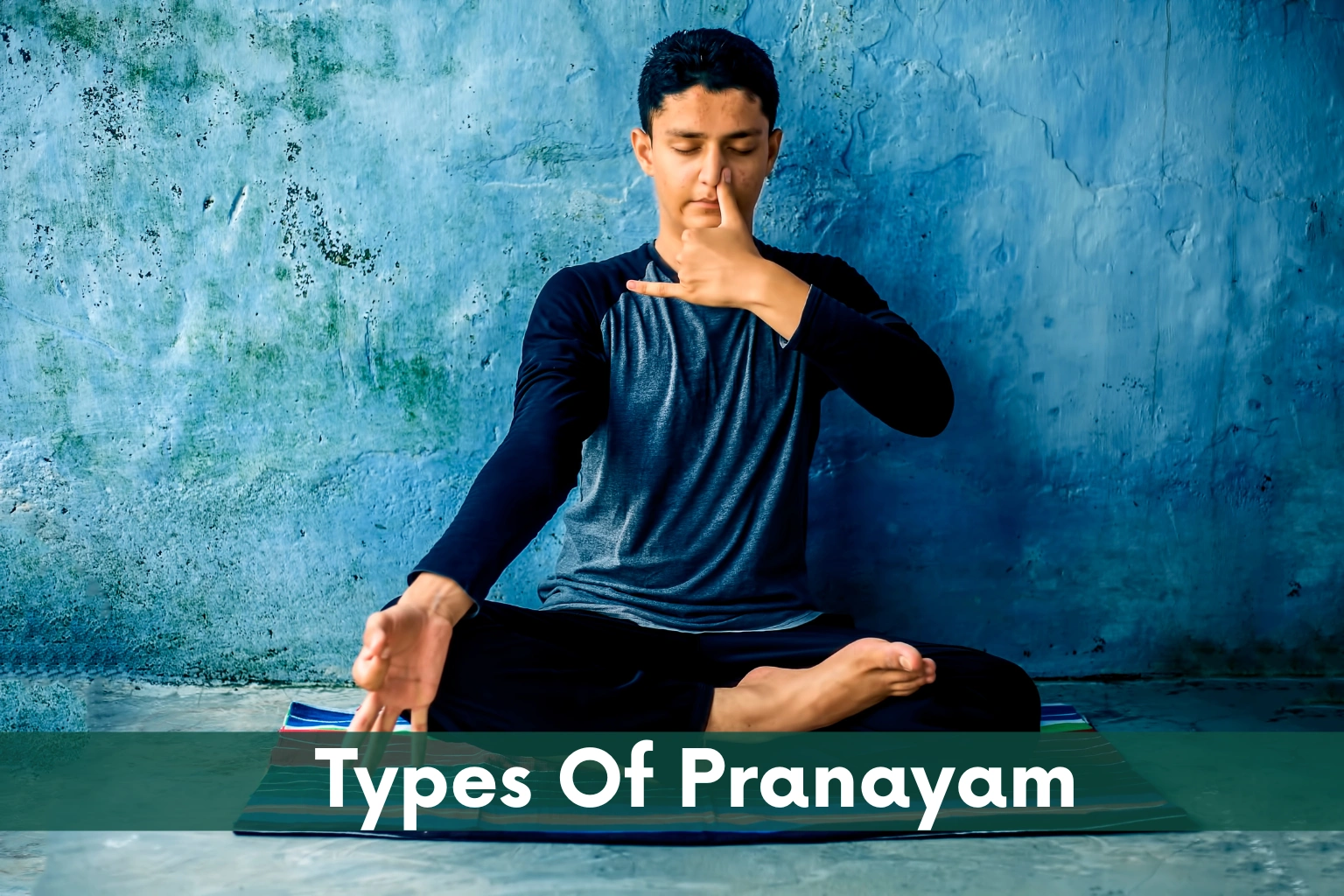
4. Nadi Shodhan Pranayama
Nadi Shodhana Pranayama, or Alternate Nostril Breathing, is a calming breathing technique that helps balance the mind, improve concentration, and reduce stress. In Sanskrit, “Nadi” means energy channel and “Shodhana” means purification, reflecting its role in promoting harmony and mental clarity.
How to Practise Nadi Shodhana:
- Sit comfortably with your spine straight.
- Close one nostril and inhale through the other.
- Switch nostrils and exhale slowly.
- Continue alternating nostrils for several rounds.
Benefits of Nadi Shodhana:
- Calms the mind and reduces stress.
- Improves focus and concentration.
- Balances the body’s energy flow.
- Supports healthy breathing and relaxation.
- Prepares the mind for meditation.
- Promotes emotional balance and overall well-being.

Benefits Of Pranayam
Regular Pranayama practice offers numerous physical, mental, and emotional benefits by improving the connection between the breath, body, and mind. Through conscious breathing, Pranayama helps regulate the nervous system, increase oxygen supply, and promote overall well-being. While each breathing technique provides unique advantages, consistent practice can significantly improve your quality of life.
Key Benefits of Pranayama
- Boosts energy levels by improving oxygen intake and supporting the body’s natural flow of vital energy (prana).
- Reduces stress and anxiety by calming the nervous system and promoting deep relaxation.
- Improves lung capacity and strengthens the respiratory system through controlled breathing exercises.
- Enhances focus and mental clarity, helping improve concentration, memory, and decision-making.
- Supports emotional balance by reducing negative thoughts and encouraging a calm, positive mindset.
- Promotes better sleep by relaxing the mind and reducing physical and mental tension.
- Improves circulation and helps deliver oxygen more efficiently throughout the body.
- Supports digestion and metabolism by stimulating the abdominal organs and improving internal body functions.
- Prepares the body for meditation, encouraging mindfulness, self-awareness, and inner peace.
- Promotes overall wellness by creating harmony between the body, mind, and breath, leading to better physical, mental, and emotional health.
To experience these benefits safely, practise Pranayama under the guidance of a qualified yoga instructor, especially if you are a beginner or have underlying health conditions. With regular practice, Pranayama can become a powerful tool for achieving a healthier, calmer, and more balanced lifestyle.
Conclusion
Pranayama is a powerful yogic practice that goes beyond simple breathing exercises. By practising techniques such as Bhramari, Kapalbhati, Bhastrika, and Nadi Shodhana, you can improve lung function, reduce stress, enhance mental clarity, boost energy levels, and support overall physical and emotional well-being. Whether you’re a beginner or an experienced practitioner, incorporating Pranayama into your daily routine can help create balance between the body, mind, and breath. With consistent practice and proper guidance, you can experience lasting health benefits and inner peace.
Begin your wellness journey with Amantrhit. Join our expert-led yoga and Pranayama sessions to discover the transformative power of mindful breathing and holistic living. Contact Amantrhit today to start your path toward better health and well-being!
Frequently Asked Questions AboutTypes Of Pranayam
1.What is Pranayama?
Pranayama is an ancient yogic breathing practice that involves controlling the breath to improve physical, mental, and emotional well-being. It helps regulate the flow of vital energy (prana), reduces stress, and prepares the mind for meditation.
2. What are the main types of Pranayama?
Some of the most popular types of Pranayama include:
- Bhramari Pranayama (Humming Bee Breath)
- Kapalbhati Pranayama
- Bhastrika Pranayama (Bellows Breath)
- Nadi Shodhana Pranayama (Alternate Nostril Breathing)
- Anulom Vilom Pranayama
- Ujjayi Pranayama
- Sheetali and Sheetkari Pranayama
3.What are the benefits of practising Pranayama daily?
Regular Pranayama practice can:
- Improve lung capacity
- Reduce stress and anxiety
- Enhance focus and concentration
- Increase energy levels
- Improve sleep quality
- Strengthen the respiratory system
- Support emotional balance
4. Is Pranayama suitable for beginners?
Yes. Many breathing techniques, such as Bhramari and Nadi Shodhana, are beginner-friendly. Beginners should learn under the guidance of a qualified yoga instructor to ensure proper technique.
5. What is the best time to practise Pranayama?
The ideal time is early morning on an empty stomach when the mind is calm and the air is fresh. It can also be practised in the evening, provided you have not eaten for at least 2–3 hours.
6. Who should avoid certain Pranayama techniques?
People with uncontrolled high blood pressure, heart disease, respiratory disorders, recent surgery, pregnancy, or other medical conditions should consult a healthcare professional or qualified yoga instructor before practising advanced Pranayama techniques like Kapalbhati or Bhastrika.
7. Can I practise Pranayama after meals?
No. Pranayama should ideally be practised on an empty stomach or at least 2–3 hours after eating to allow comfortable breathing and proper diaphragm movement.
8. Where can I learn Pranayama safely?
Learning from experienced yoga instructors ensures correct breathing techniques, proper posture, and safe practice. At Amantrhit, our guided yoga and Pranayama sessions help practitioners of all levels develop healthy breathing habits and experience the full benefits of this ancient yogic practice.

Amantrhit Wellness Retreat Center
Amantrhit is an ISO and Yoga Alliance certified wellness retreat center in Rishikesh, offering Ayurveda, yoga, meditation, Panchakarma, weight loss retreats & other holistic healing programs. Amantrhit is a 5-star rated retreat center with several years of wellness experience, 100+ happy Guests, and 1000+ trusted wellness seekers worldwide. Whether you want to relax, heal, detox, or reconnect with yourself, Amantrhit provides a peaceful and supportive space to begin your wellness journey. Our experienced doctors and certified therapists guide guests. we also serve organic sattvik meals and serene surroundings restore balance to body, mind, and spirit. Come as you are, and leave feeling lighter, clearer, and deeply restored.


Leave a Reply