

Ujjayi Pranayama: Steps & Benefits
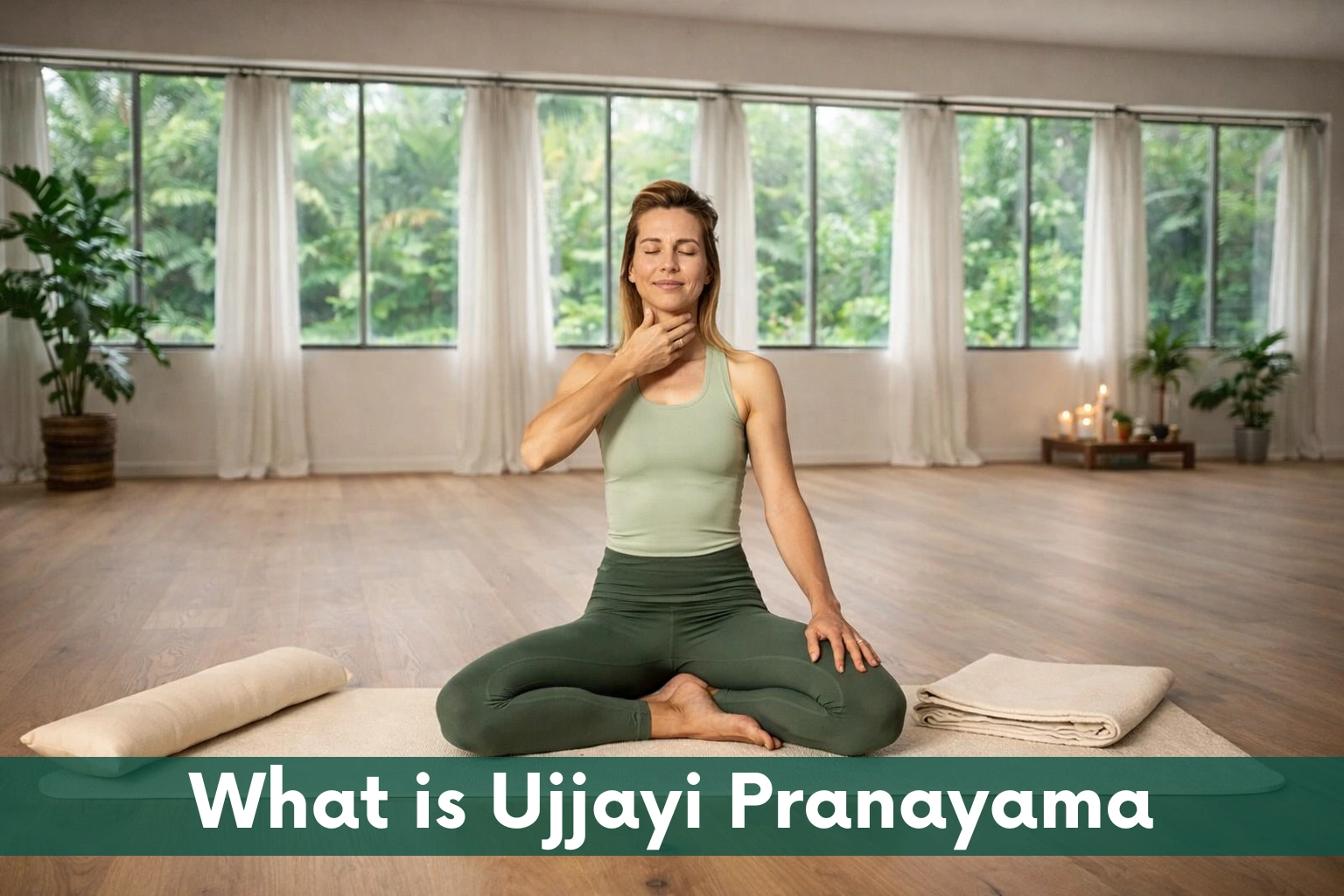
Ujjayi Pranayama, also known as the Victorious Breath or Ocean Breath, is one of the most important breathing techniques in yoga. The word Ujjayi is derived from the Sanskrit words “Ud”, meaning upward, expanding, or uplifting, and “Ji”, meaning to conquer, achieve victory, or gain mastery. Together, Ujjayi translates to “one who is victorious” or “the breath of victory.”
This powerful breathing technique is called the Victorious Breath because it promotes a sense of strength, confidence, and inner empowerment. As you inhale and exhale slowly through a slightly constricted throat, the chest and abdomen expand fully, creating a steady, rhythmic breath that resembles the soothing sound of ocean waves. This distinctive sound is why Ujjayi Pranayama is also widely known as Ocean Breath.
Practising Ujjayi Pranayama generates gentle internal heat, improves oxygen flow, calms the nervous system, and enhances concentration during yoga and meditation. It also helps deepen breathing, improve lung capacity, reduce stress, and increase mindfulness. Suitable for beginners and experienced practitioners alike, Ujjayi Pranayama is commonly practised during Hatha Yoga, Vinyasa Yoga, and meditation sessions to improve endurance, maintain breath awareness, and create a deeper connection between the mind, body, and breath. At a spiritual level, it symbolizes gaining mastery over the mind and moving toward inner freedom and self-awareness.
How to Practice Ujjayi Pranayama (Victorious Breath)
Learning Ujjayi Pranayama is simple with regular practice and proper guidance. Also known as Victorious Breath or Ocean Breath, this breathing technique is performed by gently constricting the back of the throat while breathing slowly through the nose. The slight constriction creates a soft, soothing sound similar to ocean waves, helping calm the mind and improve breath awareness.
Follow these steps to practise Ujjayi Pranayama correctly:
- Sit comfortably with your spine straight and shoulders relaxed.
- Keep your lips gently closed and breathe only through your nose.
- Slightly constrict the back of your throat, as if you are softly whispering or fogging up a mirror with your mouth closed.
- Inhale slowly and deeply, allowing your chest, ribs, abdomen, and back to expand naturally.
- Exhale gently with the same throat constriction, creating a smooth, steady ocean-like sound.
- Keep each inhalation and exhalation long, deep, and controlled without straining your throat or forcing the breath.
With regular practice, Ujjayi Pranayama becomes effortless and rhythmic, increasing oxygen intake, improving lung capacity, and promoting relaxation. This breathing technique also massages the internal organs, enhances the flow of prana (life energy), and supports better concentration during yoga and meditation. Always practise gently and avoid creating unnecessary tension in the throat, as relaxed breathing is essential for experiencing the full physical and mental benefits of Ujjayi Pranayama.
Steps for Ujjayi Pranayama
Practising Ujjayi Pranayama correctly helps improve breathing efficiency, reduce stress, and enhance your yoga and meditation practice. Follow these simple steps to perform the Victorious Breath safely and effectively.
- Sit in a Comfortable Position
Sit in a cross-legged posture or on a chair with your spine, neck, and head aligned. Relax your shoulders and close your eyes. - Gently Constrict the Throat
Close your mouth and slightly constrict the back of your throat (glottis), as if you are softly whispering or fogging a mirror with your mouth closed. - Inhale Slowly Through the Nose
Take a slow, deep inhalation through your nostrils while maintaining the gentle throat constriction. You should hear a soft, ocean-like sound. - Fill the Lungs Completely
Continue inhaling until your chest, ribs, and abdomen expand comfortably without straining. - Hold the Breath Briefly
If comfortable and under proper guidance, retain the breath for a few seconds while keeping your body relaxed. - Exhale Smoothly
Exhale slowly through the nose, maintaining the same gentle throat constriction to produce the soothing ocean sound. - Stay Relaxed
Keep your facial muscles, jaw, and shoulders relaxed. Avoid creating unnecessary tension in the throat or forcing the breath. - Repeat the Cycle
Continue for 5–10 slow breathing cycles, maintaining a smooth, deep, and rhythmic breath throughout. - Finish with Normal Breathing
After completing your practice, return to natural breathing for a few moments and observe the feeling of calmness, mental clarity, and relaxation.

Top 10 Health Benefits of Ujjayi Pranayama
Regular practice of Ujjayi Pranayama, also known as Victorious Breath or Ocean Breath, offers numerous physical, mental, and emotional benefits. This powerful yogic breathing technique improves respiratory health, calms the nervous system, and enhances overall well-being. Here are some of the key benefits of practising Ujjayi Pranayama:
1. Improves Respiratory Health
Ujjayi Pranayama strengthens the lungs and respiratory muscles through slow, deep, and controlled breathing.
- Increases lung capacity and oxygen intake.
- Improves breathing efficiency.
- Supports respiratory conditions such as asthma and bronchitis.
- Helps clear mucus and promotes healthy airflow.
2. Reduces Stress and Anxiety
The slow, rhythmic breathing activates the parasympathetic nervous system, encouraging deep relaxation.
- Lowers stress hormones such as cortisol.
- Calms the mind and reduces anxiety.
- Promotes emotional balance and relaxation.
- Encourages mindfulness and inner peace.
3. Enhances Concentration and Mental Clarity
Focusing on the breath helps improve attention and mental performance.
- Sharpens concentration and focus.
- Improves memory and decision-making.
- Reduces mental fatigue and distractions.
- Supports deeper meditation and mindfulness practices.
4. Balances the Nervous System
Ujjayi Pranayama helps regulate the body’s stress response by balancing the autonomic nervous system.
- Promotes relaxation and emotional stability.
- Supports healthy blood pressure and heart rate.
- Improves sleep quality.
- Reduces the effects of chronic stress.
5. Supports Heart Health
Controlled breathing improves blood circulation and oxygen delivery throughout the body.
- Enhances cardiovascular function.
- Promotes healthy circulation.
- Helps maintain normal blood pressure.
- Supports long-term heart health.
6. Aids Natural Detoxification
Deep breathing increases oxygen supply and stimulates the body’s natural cleansing processes.
- Supports lymphatic drainage.
- Improves cellular oxygenation.
- Encourages healthy liver and kidney function.
- Boosts metabolism and overall vitality.
7. Improves Digestion
The gentle breathing rhythm stimulates the vagus nerve, which plays an important role in digestion.
- Enhances digestive enzyme production.
- Reduces bloating and indigestion.
- Supports healthy bowel movements.
- Improves gut function by reducing stress.
8. Promotes Emotional Well-Being
Regular practice helps create greater emotional awareness and resilience.
- Reduces feelings of anger, frustration, and anxiety.
- Encourages emotional balance.
- Improves mood and mental well-being.
- Helps develop a positive mindset.
9. Increases Energy and Stamina
Improved oxygen circulation naturally boosts energy levels and physical endurance.
- Enhances stamina and vitality.
- Reduces fatigue and exhaustion.
- Improves physical performance.
- Promotes overall wellness and productivity.
10. Deepens Yoga and Meditation Practice
Ujjayi Pranayama is widely practised during yoga because it synchronises breath with movement.
- Improves breath awareness.
- Enhances focus during yoga sessions.
- Helps maintain steady movement in Hatha and Vinyasa Yoga.
- Creates a calm, meditative state for deeper spiritual practice.
Practising Ujjayi Pranayama consistently can transform both your physical and mental health. Whether your goal is to improve breathing, reduce stress, increase energy, or deepen your yoga practice, this powerful breathing technique offers a simple yet highly effective path toward holistic wellness. For the best results, practise under the guidance of a qualified yoga instructor and make Ujjayi Pranayama a regular part of your daily wellness routine.
Key Facts About Ujjayi Pranayama
Ujjayi Pranayama at a Glance
| Key Fact | Details |
|---|---|
| Meaning | Victorious Breath (Ujjayi Pranayama) |
| Technique | Inhale and exhale through the nose while maintaining a gentle constriction at the back of the throat to create a soft ocean-like sound. |
| Purpose | Enhances concentration, calms the mind, regulates breathing, and improves mindfulness during yoga and meditation. |
| Benefits | Improves oxygen intake, reduces stress, strengthens lung function, balances the nervous system, and supports meditation. |
| Common Use | Frequently practised during Ashtanga Yoga, Vinyasa Yoga, Hatha Yoga, and meditation sessions. |
| Breathing Rate | Slow, deep, smooth, and controlled breathing with equal attention to inhalation and exhalation. |
| Contraindications | Avoid practising without medical guidance if you have severe respiratory disorders, uncontrolled hypertension, dizziness, or other serious medical conditions. |
Side Effects of Ujjayi Pranayama
Ujjayi Pranayama is generally safe when practised correctly under the guidance of a qualified yoga instructor. However, improper technique or excessive practice may cause temporary discomfort, especially for beginners or individuals with certain medical conditions.
Possible Side Effects of Ujjayi Pranayama
- Throat Irritation: Excessive throat constriction may cause dryness, soreness, or mild irritation.
- Dizziness or Lightheadedness: Breathing too forcefully or practising for extended periods can reduce comfort and cause dizziness.
- Breathlessness: Incorrect breathing technique may result in shortness of breath or difficulty maintaining a steady rhythm.
- Increased Heart Rate: Overexertion during practice may temporarily elevate the heart rate in some individuals.
- Headaches: Breath retention or improper breathing patterns can sometimes trigger mild headaches.
- Chest Discomfort: Forcing deep breaths may create tightness or discomfort in the chest.
- Neck and Shoulder Tension: Poor posture or unnecessary muscle strain can lead to stiffness in the neck and shoulders.
- Fatigue: Over-practising may leave you feeling physically or mentally exhausted instead of refreshed.
- Respiratory Discomfort: Individuals with asthma, bronchitis, or other respiratory conditions should practise cautiously and seek medical advice before starting.
- Increased Anxiety: Focusing too intensely on breath control may cause nervousness in some beginners.
To minimise these side effects, practise slowly, avoid straining the throat, maintain proper posture, and stop immediately if you experience discomfort. Always learn this breathing technique under the supervision of a certified yoga instructor, especially if you have underlying health conditions.
Conclusion
Practising Ujjayi Pranayama daily is a simple yet powerful way to improve your overall health and well-being. This ancient yogic breathing technique enhances lung function, increases oxygen flow, reduces stress, improves concentration, and promotes emotional balance. Regular practice also supports a healthy nervous system, encourages mindfulness, and helps create a deeper connection between the body and mind. Suitable for beginners and experienced practitioners alike, Ujjayi Pranayama can become an essential part of a holistic wellness routine. Begin your journey to better health with Amantrhit. Join our expert-led yoga and wellness programs to experience the transformative benefits of Ujjayi Pranayama and achieve lasting physical, mental, and spiritual well-being.
Frequently Asked Questions About Ujjayi Pranayama
1.What is Ujjayi Pranayama?
Ujjayi Pranayama, also known as the Victorious Breath or Ocean Breath, is a yogic breathing technique that involves slow, deep breathing through the nose while gently constricting the throat. It helps improve breathing, reduce stress, and enhance concentration.
2. Why is Ujjayi Pranayama called the Victorious Breath?
The word Ujjayi comes from Sanskrit, meaning "victorious" or "one who has conquered." This breathing technique symbolizes gaining mastery over the breath, mind, and emotions while promoting inner strength and confidence.
3.What are the benefits of Ujjayi Pranayama?
Regular practice of Ujjayi Pranayama offers several benefits, including:
- Improves lung capacity
- Reduces stress and anxiety
- Enhances concentration
- Supports heart health
- Improves oxygen circulation
- Deepens meditation and yoga practice
- Promotes emotional balance
4. How do you perform Ujjayi Pranayama correctly?
Sit comfortably with a straight spine, breathe slowly through your nose, gently constrict the back of your throat to create a soft ocean-like sound, and maintain slow, controlled inhalation and exhalation without straining.
5. Can I practise Ujjayi Pranayama every day?
Yes. Daily practice is recommended to experience long-term benefits such as improved breathing, better focus, reduced stress, and enhanced overall well-being.
6. Does Ujjayi Pranayama help improve sleep?
Yes. Because it calms the nervous system and reduces stress, practising Ujjayi Pranayama before bedtime may promote relaxation and improve sleep quality.
7. Which yoga styles commonly use Ujjayi Pranayama?
Ujjayi Pranayama is widely practised in Hatha Yoga, Vinyasa Yoga, Ashtanga Yoga, and many meditation and mindfulness practices.
8. Are there any side effects of Ujjayi Pranayama?
When practised incorrectly or excessively, some people may experience throat irritation, dizziness, headache, or mild breathlessness. Practising gently and learning from a qualified instructor helps minimise these risks.
9.Where can I learn Ujjayi Pranayama from experienced yoga instructors?
You can learn Ujjayi Pranayama through the expert-led yoga and wellness programs at Amantrhit. Our experienced instructors provide personalised guidance to help you master breathing techniques, deepen your yoga practice, reduce stress, and achieve lasting physical, mental, and spiritual well-being.

Amantrhit Wellness Retreat Center
Amantrhit is an ISO and Yoga Alliance certified wellness retreat center in Rishikesh, offering Ayurveda, yoga, meditation, Panchakarma, weight loss retreats & other holistic healing programs. Amantrhit is a 5-star rated retreat center with several years of wellness experience, 100+ happy Guests, and 1000+ trusted wellness seekers worldwide. Whether you want to relax, heal, detox, or reconnect with yourself, Amantrhit provides a peaceful and supportive space to begin your wellness journey. Our experienced doctors and certified therapists guide guests. we also serve organic sattvik meals and serene surroundings restore balance to body, mind, and spirit. Come as you are, and leave feeling lighter, clearer, and deeply restored.


Leave a Reply