

Amantrhit

Ashwini Mudra
Ashwini Mudra

Ashwini Mudra (Horse Gesture): Benefits, Steps, Pelvic Health

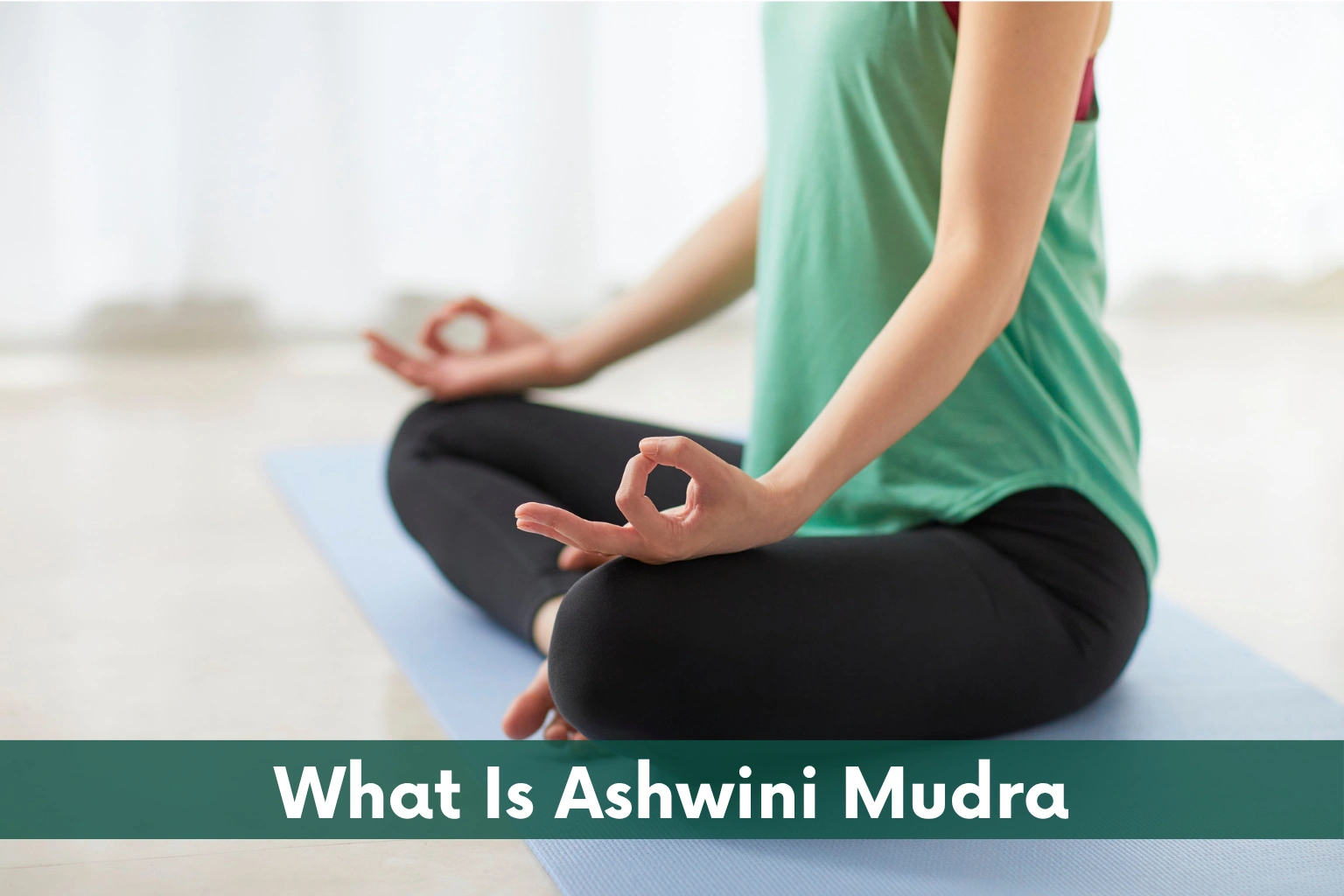
Ashwini Mudra is a traditional yogic practice that involves gently contracting and relaxing the muscles around the anal sphincter in a controlled, rhythmic manner. The word “Ashwini” comes from the Sanskrit term associated with a horse, referring to the rhythmic movement often compared to a horse repeatedly contracting and relaxing its muscles. “Mudra” generally means a symbolic gesture or practice used in yoga.

Unlike many yoga poses, Ashwini Mudra focuses on subtle muscular awareness and controlled movement. It is traditionally practiced while sitting comfortably in a meditative posture and maintaining steady, relaxed breathing.

Regular practice of Ashwini Mudra can help develop greater awareness and control of the pelvic region. It is also commonly included in yoga and meditation routines as a practice for cultivating concentration and mindful body awareness.

For beginners, the movement should be gentle rather than forceful. The goal is to coordinate the contraction and relaxation smoothly without creating unnecessary tension. Practicing with patience and proper technique can make Ashwini Mudra a simple addition to a regular yoga or mindfulness routine.

How to Do Ashwini Mudra

Ashwini Mudra is a simple yogic practice that can be performed almost anywhere without special equipment. The key is to stay relaxed and focus on gentle, controlled movements.

  1. Choose a Comfortable Position: Sit in Padmasana (Lotus Pose), Vajrasana (Thunderbolt Pose), or another comfortable seated position. It can also be practiced while lying down.
  2. Relax Your Body: Close your eyes and take a few slow, soothing breaths. Allow your body and mind to settle before beginning.
  3. Contract the Anal Muscles: Gently tighten and lift the muscles around the anus, similar to the action of trying to prevent a bowel movement. Avoid squeezing too forcefully.
  4. Hold and Release: Maintain the contraction for a few seconds, then slowly relax the muscles. Focus on the difference between contraction and release.
  5. Repeat the Movement: Start with around 10 to 15 repetitions per session. As you become more comfortable, you can gradually increase the duration and repetitions.
  6. Practice Consistently: Regular practice can help you develop better pelvic muscle awareness and control. Many people prefer practicing in the morning or during meditation when the mind is calm.

For comfort, avoid practicing immediately after a heavy meal and give your body some time to digest.

Ashwani Mudra Steps

What Are the Benefits of Ashwini Mudra?

Ashwini Mudra is a traditional yogic practice involving the gentle contraction and relaxation of the anal and pelvic muscles. When practiced correctly and consistently, it may support pelvic awareness, relaxation, and overall well-being.

  1. Supports Pelvic Floor Strength

The repeated contraction and release can help engage the pelvic floor muscles. This may support better awareness and control of muscles involved in bladder and bowel function.

  1. Supports Healthy Digestion

The rhythmic movement may encourage awareness around the pelvic and abdominal region and can be included alongside healthy habits that support regular bowel movements.

  1. Encourages Lower-Body Circulation

The contraction-and-relaxation cycle may promote circulation and awareness around the pelvic area, supporting overall tissue health.

  1. Supports Women’s Wellness

Ashwini Mudra is sometimes included in traditional yoga routines for pelvic awareness, including practices following childbirth. It should be practiced gently and appropriately.

  1. May Support Hemorrhoid Care

By encouraging relaxed, controlled pelvic movements, the practice may help reduce unnecessary straining during bowel movements. It is not a substitute for medical treatment.

  1. Supports Bladder Awareness

Regular pelvic-floor exercises may improve muscle awareness and control, making Ashwini Mudra somewhat similar in principle to pelvic-floor exercises.

  1. Enhances Yogic Energy Awareness

In traditional yoga, Ashwini Mudra is associated with Muladhara Chakra and is sometimes practiced as preparation for Mula Bandha.

  1. Promotes Mental Calmness

Because it requires concentration, controlled breathing, and mindful movement, Ashwini Mudra may also complement relaxation and meditation practices.

Ashwini Mudra Side Effects and Precautions

Ashwini Mudra is generally considered a gentle yogic practice when performed correctly. However, practicing it with excessive force, holding the muscles for too long, or using incorrect technique may cause discomfort. 

  1. Pelvic Muscle Strain

Repeatedly contracting the muscles too strongly may cause soreness, tightness, or discomfort around the pelvic region. Keep the movement gentle and controlled.

  1. Hemorrhoid Discomfort

People with existing hemorrhoids may experience increased discomfort if they apply excessive pressure while practicing.

  1. Rectal Prolapse

Although uncommon, improper or forceful practice may place unnecessary pressure on the pelvic area. Avoid straining during the exercise.

  1. Changes in Bowel Habits

Some people may notice temporary changes in bowel movements when beginning the practice.

  1. Increased Pelvic Sensitivity

Ashwini Mudra may increase awareness or sensation in the pelvic region, which can sometimes lead to sexual arousal or distraction.

Important Precautions

Practice gently and stop if you experience pain, bleeding, dizziness, or unusual discomfort. If you have a medical condition, recent abdominal or pelvic surgery, hemorrhoids, or are pregnant, consult a qualified healthcare professional before practicing. During pregnancy or menstruation, seek individual guidance rather than following general advice.

Ashwini Mudra Yogasan

Ashwini Mudra can be practiced alongside suitable yoga asanas to create a more comfortable and focused routine. Choosing the right posture helps you maintain proper alignment, stay relaxed, and concentrate on the gentle contraction and release of the pelvic muscles. For beginners, it is important to avoid unnecessary strain and practice at a comfortable pace.

Padmasana (Lotus Pose)

Padmasana provides a stable seated position that can support concentration and mindful breathing. Experienced practitioners may find it useful when incorporating Ashwini Mudra into meditation or traditional yoga practice.

Padmasana (Lotus Pose)

Vajrasana (Thunderbolt Pose)

Vajrasana is another seated posture that can be used while practicing Ashwini Mudra. Its upright position encourages awareness of the body and may be comfortable for sustained practice.

Vajrasana (Thunderbolt Pose)

Sukhasana (Easy Pose)

Sukhasana is a simple and accessible option, particularly for beginners. It allows you to sit comfortably while focusing on breathing, relaxation, and controlled pelvic muscle movements.

Sukhasana (Easy Pose)

Combining Ashwini Mudra with yoga asanas can make your practice more structured and mindful. Start with a comfortable posture, keep your breathing steady, and perform the contractions gently. Consistency and proper technique are more important than holding the position for a long time or performing excessive repetitions.

Step-by-Step Instructions: How to Practise Ashwini Mudra

Ashwini Mudra can be practiced in different yoga positions, but beginners should choose a posture that feels comfortable and allows them to focus on the pelvic muscles without strain.

Step 1: Choose a Comfortable Position

Start by lying on your back with your knees bent and feet flat on the floor. This position encourages relaxation and makes it easier to notice the anal sphincter muscles. As you gain confidence, you can practice in Siddhasana, Vajrasana, or Padmasana.

Step 2: Build Awareness

Begin with slow contractions. Gently tighten and lift the anal sphincter, hold for 3–5 seconds, and then completely relax for another 3–5 seconds. Repeat about 10 times while breathing naturally. Focus on both the contraction and full release.

Step 3: Add Rhythmic Movements

After developing better muscle awareness, practice a gentle contraction-and-release rhythm. Perform around 20–30 repetitions, rest briefly, and repeat for up to three rounds. Increase gradually rather than forcing more repetitions.

Step 4: Coordinate With Breathing

With regular practice, you can coordinate Ashwini Mudra with your natural breathing. Try gently contracting while inhaling and releasing while exhaling. Avoid holding your breath or creating unnecessary tension.

Practice consistently, listen to your body, and stop if you experience pain or discomfort.

Conclusion

Adding Ashwini Mudra to your daily yoga routine can be a simple way to develop greater awareness of your body and pelvic muscles. This gentle practice combines controlled contraction and relaxation, making it easy to include in a regular mindfulness or meditation routine.

With consistent and comfortable practice, Ashwini Mudra may support pelvic floor awareness, relaxation, and healthy bowel habits. From a traditional yoga perspective, it is also associated with energy awareness and deeper meditative practices. However, it is important to practice gently and avoid forcing the muscles or holding the breath.

Whether you are looking to improve your yoga practice, develop better body awareness, or create a few peaceful minutes in your day, Ashwini Mudra can be a valuable addition to your routine. Start slowly, focus on proper technique, and gradually build your practice according to your comfort level.

At Amantrhit, we encourage a balanced approach to traditional wellness through yoga, Ayurveda, meditation, and mindful practices. Explore Amantrhit and discover meaningful ways to support your mind, body, and inner well-being.

Frequently Asked Questions About Ashwini Mudra

1.What is Ashwini Mudra?

Ashwini Mudra is a traditional yogic practice involving the gentle contraction and relaxation of the anal sphincter muscles. It is practiced to develop pelvic awareness and is often incorporated into meditation and yoga routines.

2.What are the benefits of Ashwini Mudra?

Regular practice may support pelvic floor awareness, relaxation, bowel regularity, and better control of the muscles in the pelvic region. Traditionally, it is also associated with pranic awareness and preparation for deeper yoga practices.

3.How do you practise Ashwini Mudra?

Sit or lie in a comfortable position, relax your body, gently contract the anal muscles, hold briefly, and then release completely. Repeat the movement slowly while breathing naturally.

4. How many times should Ashwini Mudra be practised?

Beginners can start with around 10–15 gentle repetitions per session. As you become more comfortable, repetitions can be increased gradually without creating muscle fatigue or discomfort.

5.What is the best time to practise Ashwini Mudra?

Ashwini Mudra can be practiced at a convenient time when your body and mind are relaxed. Morning practice or including it in a meditation routine can make it easier to maintain consistency.

6.Can beginners practise Ashwini Mudra?

Yes. Beginners can start with simple, slow contractions while lying down or sitting comfortably. Learning to contract and fully relax the muscles is more important than performing a large number of repetitions.

7. Are there any side effects of Ashwini Mudra?

Practising gently is generally well tolerated, but excessive contraction or straining may cause pelvic discomfort. People with existing medical conditions should seek appropriate professional guidance before starting.

8.Can Ashwini Mudra be practised with other yoga asanas?

Yes. It can be incorporated into comfortable seated postures such as Sukhasana, Vajrasana, Siddhasana, or Padmasana, depending on your experience and comfort.

9.Is Ashwini Mudra similar to Kegel exercises?

Both practices involve consciously contracting and relaxing muscles in the pelvic region. However, Ashwini Mudra comes from traditional yoga and is also practiced as part of breath awareness, meditation, and yogic energy practices.

10.Can Ashwini Mudra be practised daily?

Ashwini Mudra can be included in a regular yoga or mindfulness routine. Start with a small number of comfortable repetitions and gradually develop your practice rather than forcing longer sessions.

What's Your Reaction? :

Amantrhit is an ISO and Yoga Alliance certified wellness retreat center in Rishikesh, offering Ayurveda, yoga, meditation, Panchakarma, weight loss retreats & other holistic healing programs. Amantrhit is a 5-star rated retreat center with several years of wellness experience, 100+ happy Guests, and 1000+ trusted wellness seekers worldwide. Whether you want to relax, heal, detox, or reconnect with yourself, Amantrhit provides a peaceful and supportive space to begin your wellness journey. Our experienced doctors and certified therapists guide guests. we also serve organic sattvik meals and serene surroundings restore balance to body, mind, and spirit. Come as you are, and leave feeling lighter, clearer, and deeply restored.

Leave a Reply

Your email address will not be published. Required fields are marked *

Are you human? Please solve:Captcha


d

Welcome to Reina

Step into a true oasis of digital beauty we devised for your new beauty center, resort or spa website.

Monday to Friday 9 am to 6 pm
Saturday 9 am to 4 pm
Sunday 9 am to 4 pm

Anxiety Management Sessions

Anxiety, deprived from human fear of a certain problem, is known as anxiety. Some fears lead people to get into anxiety. Anxiety is also known as a way the body reacts in some difficult situations. Have you ever found yourself in a situation where your muscles stop working, your mind is buzzing with thoughts, and uneven breathing.

 That wasn’t just stress; that is anxiety. When an individual isn’t able to cope with their stress management. And it led to the anxiety attacks. Anxiety should be treated in holistic care. In this way, one can get them solved without even knowing.

Stress Management Programs

In our affordable meditation retreats, we offer various programs for stress management. A report from SingleCare [1] mentions that 90% of adults in the U.S are losing their sleep- due to the stress of their job and health.

 The situation is worse in India, where people still hesitate to talk about stress and anxiety openly. In Indian society, people still hesitate to consult a therapist for their stress management. 

Especially for this reason, we added stress management programs to our all-inclusive meditation retreats. These programs, will help to know that how stress can be managed through meditation. Stress comes from the negative energy, and meditation kills the negative energy. Meditation is the only way to keep any individual stress-free.

Meditation for Stress Management

 The world is filled with problems, and people come to Rishikesh to escape from the outer world. Rishikesh is the birthplace of Yoga, the place where sages, used to meditate and achieve salvation. 

Now the same place is being used to cure people with mental health issues and stress. The world has become cruel with time, and people are filled with negative energies. This energy won’t only affect them,but it also affect the people around them as well. From toxicness in work workplace to toxicity in relations. People are struggling with stress. 

At the best meditation centre in Rishikesh, stress management is the first step of our all-inclusive meditational retreats. Medication has saved people from this stress. Controlling stress and managing it, isn’t a hard task- only if you know the correct method. 

 At Amantrhit, we manage stress through meditation. In this way, one can work on their temper and stress simultaneously.

Meditation to Anger Control

As mentioned above, anger is the enemy of humans. A person who doesn’t know how to control their temper, faces various issues in life. Meditation is the only way to control, this bound emotion, which enables an individual to even think straight and positively.

 In daily life, various examples are in front of the eyes, where anger leads people to do things; they never imagined. The problem isn’t with that individual, but with the problem of controlling. Once a human loses control over their senses, the problems start from there.

 In our affordable meditation retreats, we help, individuals to control their anger through meditation. Meditation is the sole way to achieve peace and control over the senses. The first step of achieving Moksha, is meditation.