

Yoga for Mental Health: 10 Poses that Improve Your Well-Being
Yoga is often referred to as a mind-body practice because it creates a strong connection between physical movement and mental well-being. Through mindful breathing, meditation, and body postures, yoga helps improve both physical health and emotional balance, making it a holistic approach to wellness.
Most people recognize yoga for its ability to improve flexibility, posture, and strength. Many also practice yoga for weight loss, as dynamic yoga poses and flowing sequences can help burn calories, boost metabolism, and tone the body naturally. However, the benefits of yoga go far beyond physical fitness.
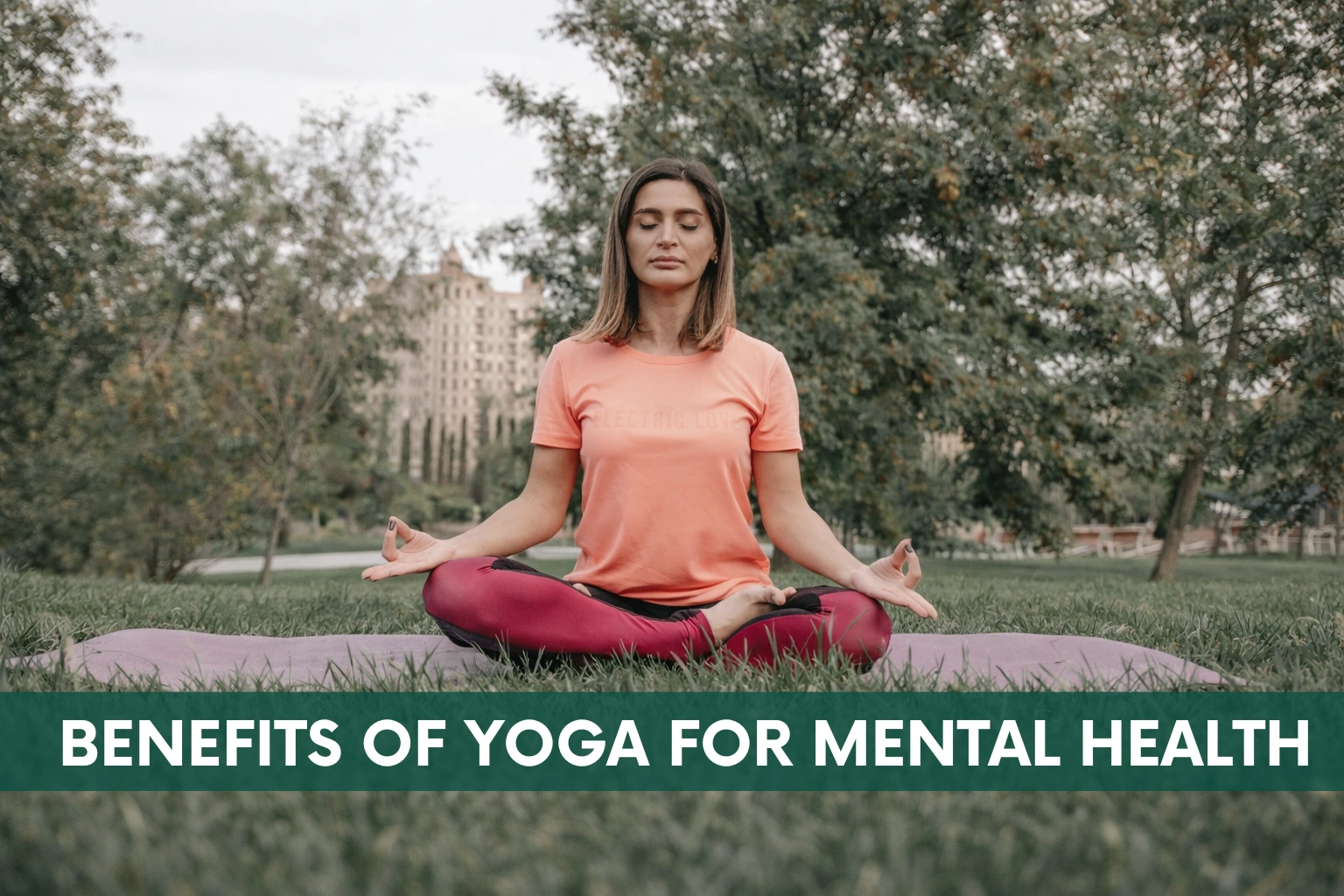
One of the most powerful yet underrated aspects of yoga is its positive impact on emotional and psychological wellness. Practicing yoga for mental health can help reduce stress, calm the nervous system, improve focus, and promote inner peace. The connection between breath and movement encourages mindfulness, allowing the body to release built-up tension and the mind to feel more grounded.
Every movement in yoga influences the mind in meaningful ways. As the body becomes stronger and more balanced, the mind also becomes calmer and clearer. This unique relationship between body and mind is what makes yoga such a transformative practice for overall well-being.
Can Yoga Help Improve Your Mental Health?
Yes, yoga can play a powerful role in improving emotional and psychological well-being. Many people now practice yoga for mental health because it helps reduce stress, anxiety, and emotional tension naturally. Through mindful breathing, meditation, and physical movement, yoga creates a calming effect on the mind while promoting relaxation and inner balance. It can also improve self-confidence, encourage a positive mindset, and provide relief from the constant mental pressure of daily life.
Practicing yoga in group classes can also help people feel more connected and supported, reducing feelings of loneliness or isolation. Physiologically, yoga activates the parasympathetic nervous system, often known as the body’s “rest and digest” response. Deep breathing and gentle movement help lower stress hormones and release built-up tension, making the body and mind feel calmer and more regulated.
Movement in yoga also gives the body a healthy outlet to process stress and anxiety. However, while yoga offers many proven benefits, it is not a substitute for professional care. Therapy, counseling, and medication may still be necessary for some individuals. Combining yoga with proper mental health support creates a more holistic and balanced approach to overall well-being.
Benefits of Yoga for Mental Health
Practicing yoga for mental health has become increasingly popular because of its positive impact on emotional and psychological well-being. Yoga combines movement, breathing techniques, and mindfulness to help create balance between the body and mind. Here are some important benefits of yoga for mental wellness:
- Reduces Stress: Yoga helps calm the nervous system and lower stress levels through deep breathing, relaxation, and mindful movement.
- Supports Emotional Well-Being: Regular yoga practice can improve mood, encourage positivity, and help individuals feel more emotionally balanced and relaxed.
- Improves Sleep Quality: Many people practicing yoga for mental health experience better sleep, as yoga helps relax the body and quiet the mind before bedtime.
- Enhances Focus and Cognitive Function: Meditation and breathing exercises used in yoga may improve concentration, memory, and mental clarity.
- May Help Reduce Anxiety and Depression Symptoms: Studies suggest that yoga-based interventions are associated with reduced anxiety symptoms in anxiety disorders and lower depressive symptoms in depressive disorders.
- Promotes Overall Wellness: Yoga encourages mindfulness and self-awareness, helping individuals feel calmer, more energized, and better equipped to handle daily challenges.
With consistent practice, yoga can become a valuable part of a healthy mental wellness routine.
10 Yoga Poses to Boost Your Mental Health
Here are some yoga poses that can help with mental health
1. Child's Pose (Balasana)
- Sanskrit Meaning: “Bala” means “child,” and “asana” means “pose.”
- Yoga Level: Beginner-friendly
- Pose Type: Prone resting posture
Benefits of Child’s Pose
Child’s Pose is a calming and restorative yoga posture that gently stretches the arms, shoulders, back, and hips. It helps release tension from the body while promoting relaxation and mental calmness. This nurturing pose is perfect whenever you need to pause, rest, or reconnect with your breath during a yoga session. It can also help reduce stress and improve flexibility over time.
Why Practice This Pose?
Balasana is often used as a recovery pose between more challenging yoga movements. Its grounding nature makes it ideal for beginners and anyone seeking comfort and relaxation.
Step-by-Step Instructions
- Start in a tabletop position on your hands and knees.
- Slowly widen your knees toward the edges of the mat.
- Gently lower your hips back toward your heels.
- Extend your arms forward and rest your forehead on the floor.
- Take slow, deep breaths and relax into the pose.

2. Cat-Cow Pose (Marjaryasana-Bitilasana)
- Sanskrit Meaning: “Marjary” means “cat,” “bitil” means “cow,” and “asana” means “pose.”
- Yoga Level: Beginner
- Pose Type: Kneeling posture
Benefits of Cat-Cow Pose
Cat-Cow pose is a gentle, flowing yoga movement that improves spinal flexibility, posture, and core strength. It helps release tension in the neck, shoulders, and back while promoting better body awareness. The synchronized breathing and movement also calm the mind, improve focus, and strengthen the connection between body and breath.
Why Practice This Pose?
This simple vinyasa flow is excellent for warming up the spine and creating mental clarity. It encourages mindful breathing and helps reduce stiffness caused by stress or long hours of sitting.
Step-by-Step Instructions
- Begin in a tabletop position on your hands and knees.
- Inhale as you drop your belly, lifting your head and tailbone upward.
- Exhale as you round your spine toward the ceiling, tucking your chin and tailbone inward.
- Continue flowing between these movements with each breath for several rounds.

3. Easy Pose (Sukhasana)
- Sanskrit Meaning: “Sukha” means “easy,” and “asana” means “pose.”
- Yoga Level: Beginner
- Pose Type: Seated posture
- Props Needed: Block, bolster, or folded blanket
Benefits of Easy Pose
Sukhasana is a simple seated posture that gently opens the hips and groin while encouraging proper spinal alignment and improved posture. It promotes relaxation, mindfulness, and calm breathing, making it an ideal pose for meditation and breathing exercises.
Why Practice This Pose?
Although called Easy Pose, sitting comfortably for an extended period can sometimes feel challenging. Using props teaches you how to support your body properly and find stability, comfort, and balance during your practice.
Step-by-Step Instructions
- Sit comfortably in a cross-legged position.
- Place a block, bolster, or folded blanket beneath your sit bones to raise your hips slightly above your knees.
- Rest your hands gently on your thighs.
- Turn your palms upward for openness and receptivity or downward for grounding and stability.
- Maintain slow, steady breathing while relaxing your shoulders and spine.

4. Bound Angle Pose (Baddha Konasana)
- Sanskrit Meaning: Baddha means Bound, Kona means Angle, and Asana means Pose.
- Yoga Level: Beginner
- Pose Type: Seated posture
Benefits of Bound Angle Pose
Baddha Konasana is a gentle hip-opening pose that stretches the hips, groins, shins, and feet while improving flexibility and posture. It encourages relaxation and helps release tension stored in the lower body. This pose is also calming for the mind and supports mindful breathing.
Why Practice This Pose?
The soft and supported opening of the hips often creates a soothing and healing sensation, making it an excellent posture for beginners and restorative yoga sessions.
Step-by-Step Instructions
- Sit on a folded blanket or yoga block to raise your hips above your knees.
- Bend your knees and bring the soles of your feet together near your body.
- Let your knees gently fall open toward the sides of the mat.
- Keep your spine long and chest lifted.
- Relax into the pose and allow gravity to gently deepen the stretch.

5. Seated Forward Bend (Paschimottanasana)
- Sanskrit Meaning: “Paschima” refers to the back of the body; “uttana” means “stretch,” and “asana” means “pose.”
- Yoga Level: Beginner
- Pose Type: Seated posture
Benefits of Seated Forward Bend
Paschimottanasana provides a deep stretch for the hamstrings, calves, and spine while helping release tension from the back body. Forward bends are naturally calming and grounding, making this pose beneficial for relaxation and mental focus. It can also improve flexibility and posture over time.
Why Practice This Pose?
Stretching the legs and folding forward helps calm the nervous system, ease stress, and encourage mindfulness during practice.
Step-by-Step Instructions
- Sit on your mat with your legs extended straight in front of you and feet flexed.
- You may sit on a folded blanket or block for extra comfort and support.
- Lengthen your spine and sit tall.
- Exhale as you hinge forward from the hips into a forward bend.
- Keep your spine long or gently round forward as it is comfortable.

6. Downward-Facing Dog Pose (Adho Mukha Svanasana)
- Sanskrit Meaning: “Adho” means “down,” “Mukha” means “face,” “Svana” means “dog,” and “asana” means “pose.”
- Yoga Level: Beginner
- Pose Type: Standing posture
Benefits of Downward-Facing Dog
Downward-Facing Dog is a full-body yoga pose that strengthens and stretches the arms, shoulders, back, core, hamstrings, and calves. It helps improve flexibility, posture, circulation, and overall body awareness. This energizing pose can also relieve tension and calm the mind.
Why Practice This Pose?
If you only have time for one yoga posture, Downward Dog offers a complete body stretch and strength-building practice in a single pose.
Step-by-Step Instructions
- Start in a tabletop position on your hands and knees.
- Tuck your toes under and press firmly into your palms.
- Lift your hips toward the ceiling, forming an inverted “V” shape.
- Straighten your legs as much as is comfortable and lower your heels toward the floor.
- Relax your neck and let your head hang naturally while maintaining steady breathing.

7. Crescent Lunge Pose (Anjaneyasana)
- Sanskrit Meaning: “Anjani” refers to a Hindu goddess, and “asana” means “pose.”
- Yoga Level: Beginner
- Pose Type: Kneeling posture
Benefits of Low Lunge Pose
Anjaneyasana is a gentle yet powerful pose that stretches the quadriceps, hamstrings, and hips while strengthening the core and improving balance. It also opens the chest and shoulders, encouraging better posture and deeper breathing. This pose helps release tension from the lower body and increases flexibility over time.
Why Practice This Pose?
Opening the chest in this posture promotes a feeling of openness, confidence, and emotional release, making you feel more receptive and energized.
Step-by-Step Instructions
- Begin in downward-facing dog.
- Step your right foot forward beside your right hand.
- Align your right knee directly above your ankle.
- Lower your left knee onto the mat, using a folded blanket or yoga pad for comfort if needed.
- Raise your arms overhead and gently lift your chest forward.
- Repeat the pose on the opposite side.

8. Standing Forward Bend (Uttanasana)
- Sanskrit Meaning: “Uttana” means “intense stretch,” and “asana” means “pose.”
- Yoga Level: Beginner
- Pose Type: Standing posture
Benefits of Standing Forward Bend
Uttanasana deeply stretches the hamstrings, glutes, and lower back while helping release tension from the spine. This calming forward fold improves flexibility, posture, and circulation. It also encourages relaxation by soothing the nervous system and reducing mental stress.
Why Practice This Pose?
A standing forward bend is often considered a “brain drain” posture because it allows the body and mind to relax deeply, helping stressful thoughts and tension melt away.
Step-by-Step Instructions
- Stand tall at the front of your yoga mat with your feet parallel.
- Inhale to lengthen your spine.
- Exhale as you hinge forward from the hips, folding over your legs.
- Allow your head, neck, and arms to hang naturally toward the floor.
- Keep a soft bend in the knees if needed and breathe deeply while relaxing into the stretch.

9. Garland Pose (Malasana)
- Sanskrit Meaning: “Mala” means “garland,” and “asana” means “pose.”
- Yoga Level: Beginner
- Pose Type: Standing posture
Benefits of Garland Pose
Malasana is a deep squatting posture that stretches and strengthens the feet, ankles, knees, hips, and lower back. It improves flexibility, balance, and hip mobility while encouraging better posture and grounding. This pose can also help release tension stored in the lower body.
Why Practice This Pose?
Garland Pose may create strong sensations in the hips and legs, giving you an opportunity to observe your reactions and practice mindfulness. Using props in this posture also teaches comfort, support, and acceptance during yoga practice.
Step-by-Step Instructions
- Stand with your feet wide apart near the edges of your mat and turn your heels slightly inward.
- Bend your knees and lower into a deep squat.
- Keep your heels grounded or place a rolled blanket underneath for support.
- Press your elbows gently against your inner knees.
- Bring your palms together at your chest in Anjali Mudra and breathe deeply.

10.Bridge Pose (Setu Bandhasana)
- Sanskrit Meaning: “Setu” means bridge, “bandha” means lock, and “asana” means pose.
- Yoga Level: Beginner
- Pose Type: Supine backbend
Benefits of Bridge Pose
Bridge Pose gently opens the chest and shoulders while strengthening the glutes, back, and legs. It improves spinal flexibility, posture, and circulation, making it a great pose for relieving tension and fatigue. This heart-opening posture also encourages deeper breathing and promotes relaxation.
Why Practice This Pose?
Setu Bandhasana provides a supported chest opener that helps create a sense of openness, balance, and emotional release while strengthening the lower body.
Step-by-Step Instructions
- Lie flat on your back with your knees bent and feet placed close to your hips.
- Keep your feet flat and hip-width apart.
- Inhale and press firmly into your feet to lift your hips toward the ceiling.
- Roll your shoulders underneath your body to open the chest further.
- You may clasp your hands behind your back for additional support.
- Slowly lower down and repeat the pose two more times.

While all of the poses mentioned above offer valuable physical and emotional benefits, the most important part of yoga is consistency. It’s not about achieving the perfect posture, but about regularly stepping onto your mat and making time for mindful movement and self-care. Every yoga pose engages different muscle groups, improves flexibility and strength, and contributes to overall wellness in unique ways.
Regular practice can also provide calming mental benefits, which is why many people turn to yoga for mental health to reduce stress, improve focus, and feel more emotionally balanced. Whether you practice gentle stretches or more advanced poses, each movement helps strengthen the connection between the body and mind.
If you’re ready to begin your wellness journey and experience the benefits of yoga in a supportive environment, Amantrhit is here to guide you with mindful yoga practices designed to nurture both physical and mental well-being.
FAQs: Yoga for Mental Health
1. Can yoga support mental well-being?
Yes, yoga can positively support mental wellness by helping reduce stress, calm the mind, and encourage relaxation. Combining mindful movement with controlled breathing may help regulate the nervous system and promote emotional balance.
2. Which type of yoga is best for stress and anxiety?
The best type of yoga depends on your comfort level, preferences, and experience. Gentle and slower-paced styles are often ideal for beginners seeking relaxation, while more active yoga styles can also help relieve stress by providing focus and mental distraction from daily worries.
3. How often should I practice yoga for mental health benefits?
Regular practice is more important than intensity. Even short sessions of 10–20 minutes a few times each week can help improve mood, reduce tension, and create a healthy self-care routine over time.
4. Can yoga replace therapy or medication?
No, yoga should not be considered a replacement for professional mental health treatment. While it can be a valuable tool for emotional well-being and stress management, therapy, counselling, and medication may still be necessary for some individuals. Yoga works best as part of a balanced and holistic wellness approach
5. Can yoga improve sleep quality?
Regular yoga practice may help relax the nervous system, ease tension, and promote better sleep quality by calming the mind before bedtime.
6. How long does it take to notice mental health benefits from yoga?
Some people feel calmer and more relaxed after just one session, while long-term emotional and mental benefits usually develop through regular practice over several weeks.
7. Is meditation necessary in yoga for mental health?
Meditation is not mandatory, but combining meditation with yoga can enhance mindfulness, emotional balance, and overall mental clarity.

Amantrhit Wellness Retreat Center
Amantrhit is an ISO and Yoga Alliance certified wellness retreat center in Rishikesh, offering Ayurveda, yoga, meditation, Panchakarma, weight loss retreats & other holistic healing programs. Amantrhit is a 5-star rated retreat center with several years of wellness experience, 100+ happy Guests, and 1000+ trusted wellness seekers worldwide. Whether you want to relax, heal, detox, or reconnect with yourself, Amantrhit provides a peaceful and supportive space to begin your wellness journey. Our experienced doctors and certified therapists guide guests. we also serve organic sattvik meals and serene surroundings restore balance to body, mind, and spirit. Come as you are, and leave feeling lighter, clearer, and deeply restored.


Leave a Reply