

What Is Nadi Shodhana Pranayama? Meaning, Benefits & Steps
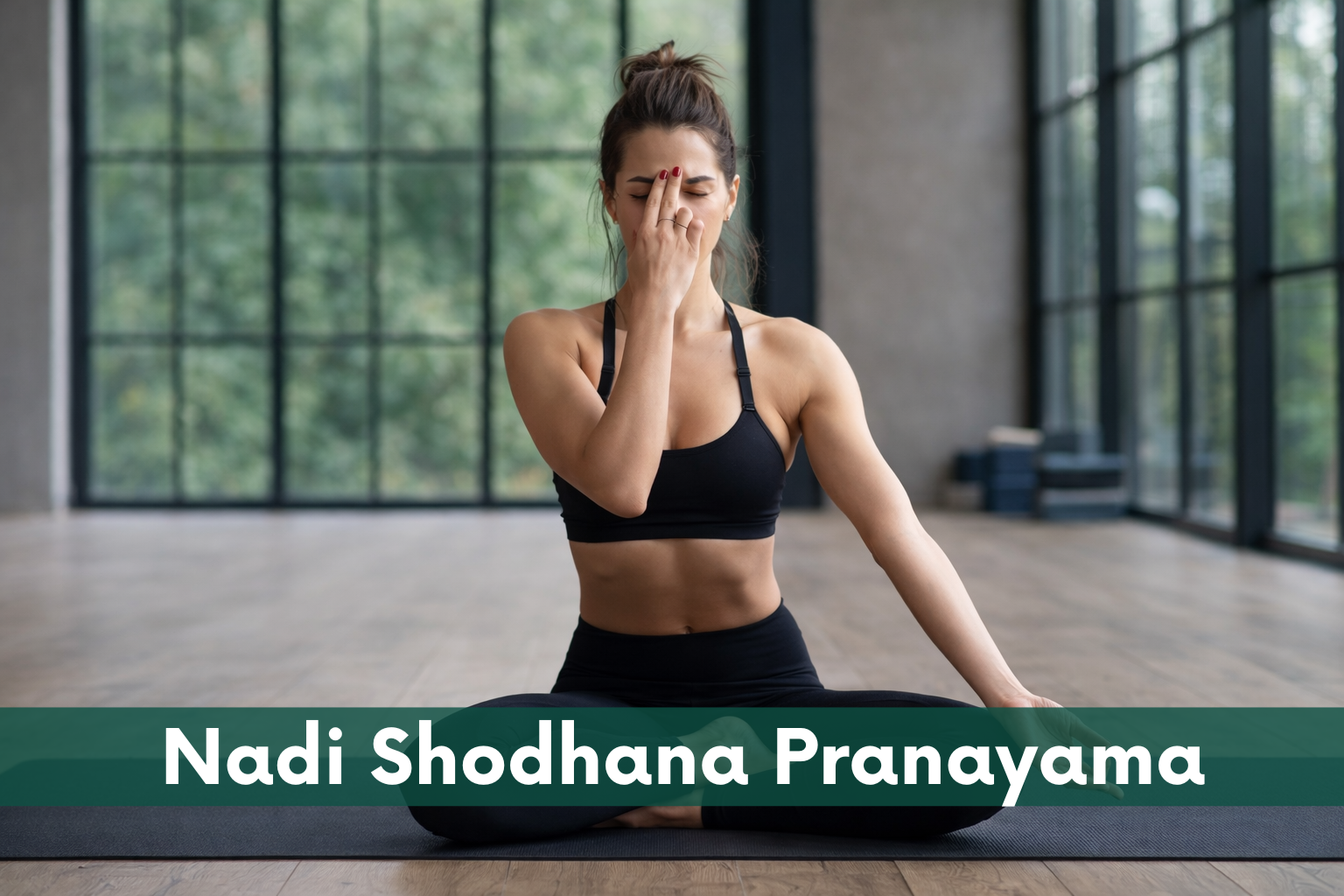
Nadi Shodhana, commonly known as Alternate Nostril Breathing, is one of the most effective pranayama practices in yoga for creating balance between the mind, body, and breath. In Sanskrit, Nadi means “energy channel,” and Shodhana means “purification” or “cleansing.” This ancient breathing technique involves gently alternating the breath through each nostril using the fingers, helping to purify the body’s energy pathways and promote a calm, focused state of mind.
According to classical yogic texts such as the Hatha Yoga Pradipika and the Gheranda Samhita, Nadi Shodhana balances the Ida (left) and Pingala (right) nadis, restoring the smooth flow of prana, or life force energy. By harmonising these energy channels, the practice supports physical vitality, emotional stability, and mental clarity while preparing the practitioner for meditation.
Whether you’re looking to reduce stress, improve concentration, ease anxiety, or deepen your yoga practice, Nadi Shodhana offers a simple yet powerful solution. Suitable for both beginners and experienced practitioners, this pranayama technique encourages relaxation and inner balance. In this guide, you’ll learn how to practise Nadi Shodhana step by step, explore its key health benefits, avoid common mistakes, and understand how to teach it safely and effectively as a yoga instructor
Nadi Shodhana vs. Anulom Vilom: What’s the Difference?
Although Nadi Shodhana and Anulom Vilom are both popular alternate nostril breathing techniques, they are not exactly the same. While they share similar breathing patterns, their purpose, complexity, and benefits differ significantly.
Anulom Vilom
Anulom Vilom is considered a foundational pranayama practice that helps beginners develop breath awareness and improve lung function. It involves inhaling through one nostril and exhaling through the other in a slow, rhythmic pattern without advanced breath control. This technique promotes relaxation, improves oxygen flow, and prepares the body and mind for deeper breathing practices.
Nadi Shodhana
Nadi Shodhana is a more advanced pranayama technique that incorporates kumbhaka, or breath retention, between inhalation and exhalation. According to traditional yogic texts, this practice helps purify the Ida and Pingala nadis, balance the flow of prana, and calm the nervous system. The addition of breath retention enhances concentration, supports emotional balance, and prepares practitioners for meditation.
In simple terms, Anulom Vilom builds the foundation, while Nadi Shodhana deepens the practice. Beginners are encouraged to master Anulom Vilom before progressing to Nadi Shodhana under the guidance of a qualified yoga instructor to ensure proper technique and safe practice.

How to Practice Nadi Shodhana: Step-by-Step Guide
Nadi Shodhana (Alternate Nostril Breathing) is a simple yet powerful pranayama technique that helps calm the mind, balance the nervous system, and improve concentration. For the best results, practise in a quiet, well-ventilated space on an empty stomach or at least 2–3 hours after a meal. Early morning is considered the ideal time, but you can also practise in the evening before meditation.
Step 1: Prepare Your Posture
Begin by sitting comfortably in Sukhasana, Padmasana, Vajrasana, or on a chair with your feet flat on the floor.
- Keep your spine straight and shoulders relaxed.
- Close your eyes and allow your facial muscles to soften.
- Rest your left hand on your left knee in Chin Mudra or with the palm facing upward.
Step 2: Form Vishnu Mudra
Use your right hand to create Vishnu Mudra.
- Fold the index and middle fingers towards your palm.
- Keep the thumb, ring finger, and little finger extended.
- Use your thumb to close the right nostril.
- Use your ring finger to close the left nostril.
This hand position allows you to alternate your breathing smoothly.
Nadi Shodhana for Beginners (Without Breath Retention)
If you’re new to pranayama, start with the basic version before practising breath retention.
Follow these steps:
- Close the right nostril with your thumb.
- Exhale completely through the left nostril.
- Inhale slowly through the left nostril for a count of 4–5.
- Close the left nostril using your ring finger.
- Release the right nostril and exhale gently for a count of 4–5.
- Inhale through the right nostril for 4–5 counts.
- Close the right nostril again.
- Release the left nostril and exhale slowly.
This completes one full round.
Practice Tips
- Begin with 5–10 rounds daily.
- Breathe slowly and naturally.
- Maintain a smooth and even rhythm without forcing the breath.
Advanced Nadi Shodhana (With Antar Kumbhaka)
Once you have practised the beginner version consistently for 3–4 weeks under proper guidance, you can progress to Antar Kumbhaka (internal breath retention).
Steps
- Close the right nostril and inhale through the left nostril for 4 counts.
- Close both nostrils and hold the breath for 4 counts (advanced practitioners may follow the traditional 1:4:2 ratio).
- Release the right nostril and exhale slowly for 8 counts.
- Inhale through the right nostril for 4 counts.
- Close both nostrils and retain the breath.
- Release the left nostril and exhale gently for 8 counts.
Continue for 5–10 rounds, keeping the breath comfortable throughout.
Note: Breath retention should only be practised after mastering the basic technique and preferably under the guidance of a qualified yoga teacher.
Important Tips for Safe Practice
For maximum benefits and safety, remember these guidelines:
- Breathe quietly and smoothly without making any sound.
- Keep your shoulders, jaw, and facial muscles relaxed.
- Never force inhalation, exhalation, or breath retention.
- If you feel dizzy, uncomfortable, or short of breath, stop immediately and return to normal breathing.
- Practise in a calm environment free from distractions.
- Focus on the natural flow of the breath to improve mindfulness and concentration.
With regular practice, Nadi Shodhana helps balance the body’s energy channels, reduce stress, improve lung capacity, and prepare the mind for meditation and deeper yogic practices.
Why Practice Nadi Shodhana? Benefits for Body & Mind
Regular practice of Nadi Shodhana (Alternate Nostril Breathing) offers a wide range of physical, mental, and spiritual benefits. By balancing the body’s energy channels and calming the nervous system, this ancient pranayama technique promotes overall well-being and prepares the mind for meditation.
Physical Benefits
Improves Heart Health
Nadi Shodhana supports healthy cardiovascular function by promoting relaxation and reducing stress. Regular practice may help maintain healthy blood pressure, improve circulation, and enhance heart rate variability, allowing the heart to respond more efficiently to physical and emotional stress.
Enhances Lung Capacity
Controlled breathing strengthens the respiratory muscles and increases lung efficiency. Over time, practitioners often notice deeper, slower breaths, improved stamina, and better oxygen intake, making daily activities and physical exercise feel easier.
Boosts Oxygen Supply
Alternate Nostril Breathing improves the exchange of oxygen and carbon dioxide in the lungs. Better oxygen circulation supports healthy brain function, increases energy levels, and helps the body’s cells perform more efficiently.
Balances the Nervous System
One of the most recognised benefits of Nadi Shodhana is its ability to calm the autonomic nervous system. It activates the parasympathetic “rest and digest” response while reducing the effects of the body’s stress response, promoting relaxation and overall wellness.
Mental Benefits
Reduces Stress and Anxiety
Nadi Shodhana naturally calms the mind by slowing the breath and relaxing the nervous system. Regular practice can reduce feelings of stress, nervousness, and anxiety, helping you feel more peaceful and emotionally balanced.
Improves Focus and Concentration
Balancing the breath through both nostrils enhances mental clarity and concentration. Many practitioners experience improved memory, quicker decision-making, and greater productivity after incorporating this pranayama into their daily routine.
Promotes Better Sleep
By reducing mental chatter and encouraging deep relaxation, Nadi Shodhana can improve sleep quality. Practising before bedtime may help those experiencing insomnia or difficulty falling asleep enjoy a more restful night’s sleep.
Supports Emotional Balance
Steady, mindful breathing helps regulate emotions, reduce irritability, and improve resilience during stressful situations, making it easier to maintain a positive mindset throughout the day.
Spiritual and Energetic Benefits
Balances Ida and Pingala Nadis
According to yogic philosophy, Nadi Shodhana balances the Ida Nadi, associated with calmness and intuition, and the Pingala Nadi, linked to energy and action. Harmonising these energy channels creates inner balance and emotional stability.
Activates the Sushumna Nadi
When Ida and Pingala are balanced, prana flows more freely through the Sushumna Nadi, the central energy channel. This helps deepen meditation, improve self-awareness, and support spiritual growth.
Prepares the Mind for Meditation
Nadi Shodhana is traditionally practised before meditation because it quiets mental distractions and improves concentration. By calming the breath and balancing the body’s energy, it allows practitioners to enter meditation with greater ease, focus, and mindfulness.
With regular practice, Nadi Shodhana becomes a powerful tool for improving physical health, enhancing mental clarity, reducing stress, and supporting a balanced, mindful lifestyle.

Common Mistakes to Avoid During Nadi Shodhana Practice
Practising Nadi Shodhana (Alternate Nostril Breathing) correctly is essential to experience its full physical and mental benefits. Avoid these common mistakes to ensure a safe and effective pranayama practice.
- Breathing Too Forcefully
Many beginners believe deeper or faster breathing produces better results. Instead, breathe slowly, gently, and silently. Smooth, natural breaths help relax the nervous system and improve focus.
- Holding the Breath for Too Long
Breath retention (Kumbhaka) should never feel uncomfortable. Avoid forcing yourself to hold the breath beyond your capacity. Start with short, comfortable pauses and increase the duration gradually under proper guidance.
- Poor Sitting Posture
A slouched posture restricts breathing and reduces the flow of energy. Sit with your spine naturally straight, shoulders relaxed, and neck aligned. Use a yoga cushion or chair if sitting on the floor feels uncomfortable.
- Creating Unnecessary Tension
Keep your face, jaw, shoulders, and eyes relaxed throughout the practice. Avoid squeezing your eyes shut or tightening your muscles, as relaxation is key to effective pranayama.
- Practising in the Wrong Environment
Choose a quiet, clean, and well-ventilated space free from distractions. Fresh air and a peaceful environment enhance concentration and allow you to fully experience the calming effects of Nadi Shodhana.
- Skipping the Beginner Stage
Many practitioners attempt advanced breath retention too early. Master the basic Alternate Nostril Breathing technique before progressing to advanced variations to ensure safe and steady improvement.
By avoiding these common mistakes and practising consistently, you’ll improve your breathing technique, reduce stress, enhance concentration, and enjoy the full benefits of Nadi Shodhana.
Conclusion
Nadi Shodhana (Alternate Nostril Breathing) is a simple yet transformative pranayama practice that supports better breathing, reduces stress, improves focus, and promotes a healthy nervous system. Whether you’re a beginner or an experienced yoga practitioner, it’s important to start with the basic technique and gradually progress to advanced breath retention under proper guidance. With regular practice, Nadi Shodhana can bring lasting balance to your mind, body, and energy. Ready to deepen your yoga journey? Join Amantrhit and experience authentic yoga, pranayama, and holistic wellness programs guided by experienced instructors. Book your wellness retreat today and begin your path to inner balance!
Frequently Asked Questions About Nadi Shodhana Pranayama
1.What is Nadi Shodhana?
Nadi Shodhana, also known as Alternate Nostril Breathing, is a traditional pranayama technique that balances the body's energy channels, calms the nervous system, reduces stress, and prepares the mind for meditation.
2. What are the benefits of Nadi Shodhana?
Regular practice of Nadi Shodhana helps reduce anxiety, improve concentration, enhance lung capacity, support heart health, promote better sleep, and balance the body's energy flow.
3.Is Nadi Shodhana the same as Anulom Vilom?
No. Although both involve alternate nostril breathing, Anulom Vilom is a basic breathing exercise, while Nadi Shodhana includes breath retention (Kumbhaka), making it a more advanced pranayama practice.
4. How long should I practise Nadi Shodhana daily?
Beginners can start with 5–10 minutes or 5–10 rounds daily. As your practice develops, you can gradually increase the duration under the guidance of a qualified yoga instructor.
5.Who should avoid Nadi Shodhana with breath retention?
People with uncontrolled high blood pressure, severe respiratory conditions, heart disease, or pregnant women should avoid advanced breath retention unless advised by a qualified healthcare professional or experienced yoga teacher.
6.Can Nadi Shodhana help reduce stress and anxiety?
Yes. Nadi Shodhana activates the parasympathetic nervous system, helping calm the mind, lower stress levels, reduce anxiety, and promote emotional balance.
7.Can I practise Nadi Shodhana before meditation?
Absolutely. Nadi Shodhana is one of the best pranayama practices to perform before meditation because it calms the mind, balances the breath, and improves concentration.
8. How long does it take to see the benefits of Nadi Shodhana?
Many people experience immediate relaxation after a single session. Consistent daily practice for 3–4 weeks can lead to noticeable improvements in breathing, focus, stress management, and overall well-being.
9. Where can I learn authentic Nadi Shodhana techniques?
For safe and authentic instruction, learn Nadi Shodhana from experienced yoga teachers. Amantrhit offers expert-led yoga, pranayama, meditation, and holistic wellness programs designed to help you build a strong foundation and deepen your practice in a peaceful, supportive environment.

Amantrhit Wellness Retreat Center
Amantrhit is an ISO and Yoga Alliance certified wellness retreat center in Rishikesh, offering Ayurveda, yoga, meditation, Panchakarma, weight loss retreats & other holistic healing programs. Amantrhit is a 5-star rated retreat center with several years of wellness experience, 100+ happy Guests, and 1000+ trusted wellness seekers worldwide. Whether you want to relax, heal, detox, or reconnect with yourself, Amantrhit provides a peaceful and supportive space to begin your wellness journey. Our experienced doctors and certified therapists guide guests. we also serve organic sattvik meals and serene surroundings restore balance to body, mind, and spirit. Come as you are, and leave feeling lighter, clearer, and deeply restored.


Leave a Reply