

Sacral Chakra: All You Need to Know About the Svadhishthana Chakra
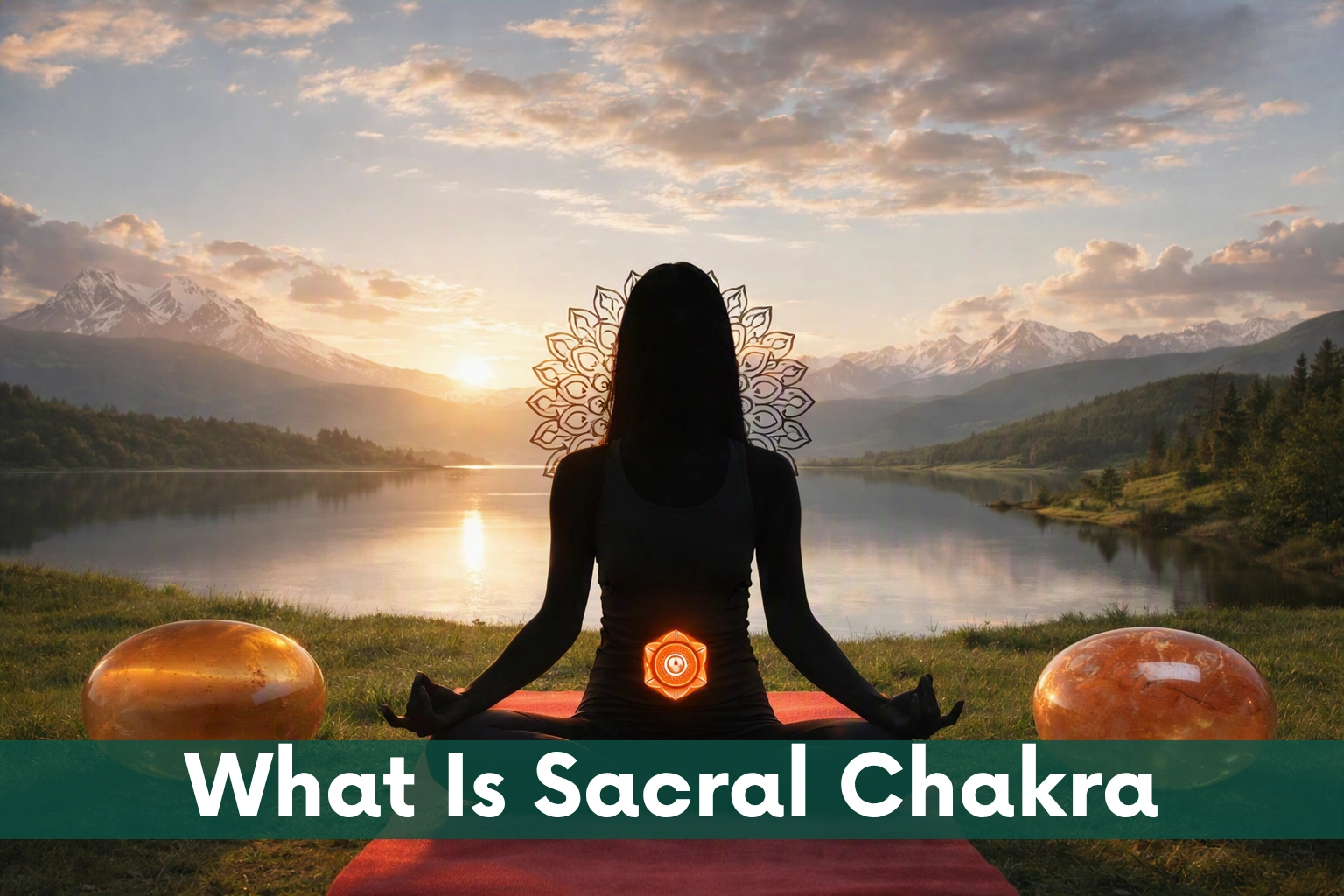
The Sacral Chakra, also called the Svadhishthana Chakra, is traditionally recognised as the second major energy centre in the chakra system. Located in the lower abdomen, it is associated with creativity, emotions, pleasure, relationships, sensuality, and personal expression. In yoga philosophy, the human energy system is described through seven primary chakras positioned along the spine, with each one linked to different physical, emotional, and mental aspects of life.
A balanced Sacral Chakra is traditionally associated with emotional flexibility, creative inspiration, healthy relationships, and the ability to experience joy. When this energy centre is considered imbalanced, some people may experience emotional instability, lack of creativity, detachment, or difficulty expressing feelings.
Understanding the Sacral Chakra can provide an opportunity for deeper self-awareness and mindful living. This guide explores the key characteristics, symbolism, and commonly discussed signs of imbalance associated with Svadhishthana.
It also introduces practical ways to support chakra balance through traditional yogic practices, including:
- Yoga poses for mindful movement
- Chakra meditation for relaxation and awareness
- Positive affirmations for encouraging emotional positivity
- Mindfulness and intentional self-reflection
Together, these practices can support a holistic approach to emotional and spiritual wellbeing.
What Is the Sacral Chakra?
The Sacral Chakra, known in Sanskrit as Svadhishthana, is traditionally considered the second major energy centre in yogic philosophy. Located in the lower abdomen, it is associated with emotions, creativity, pleasure, sensuality, relationships, and personal expression. It is also traditionally linked with Vyana Vayu, one of the five pranic currents believed to circulate energy throughout the body.
The Sacral Chakra is connected with the water element, symbolising fluidity, adaptability, emotional movement, and transformation. Its associated colour is orange, representing creativity, vitality, warmth, and enthusiasm. In traditional chakra teachings, balanced Svadhishthana energy is believed to encourage openness to change, emotional awareness, creative expression, and healthy enjoyment of life.
What Is the Meaning of the Sacral Chakra?
The Sanskrit term Svadhishthana is commonly translated as “dwelling place of the Self.” The concept represents an inner space connected with desires, emotions, creativity, pleasure, and personal identity.
In traditional yogic philosophy, the meaning of the Sacral Chakra extends beyond physical sexuality. It encourages mindful exploration of emotions, relationships, desires, and creative potential. Chakra teachings originate in traditional yoga and Tantra literature, which describe subtle energy pathways and their relationship with the body and mind.
Understanding Svadhishthana can encourage greater self-awareness, emotional balance, and mindful personal growth.
Where Is the Sacral Chakra Located?
The Sacral Chakra, also known as Svadhishthana Chakra, is traditionally described as being located in the lower abdomen and pelvic region. In many yoga traditions, its position is approximately four fingerbreadths below the navel, close to the area of the pelvis. It is considered the second major energy centre within the traditional seven-chakra system.
From a yogic perspective, the Sacral Chakra is associated with the flow of emotions, creativity, pleasure, relationships, and personal expression. Its location near the lower abdomen symbolically connects it with qualities of movement, fluidity, and transformation. The chakra is traditionally represented by the water element and the colour orange.
In traditional teachings, Svadhishthana is also associated with areas of the physical body, including the reproductive organs, bladder, kidneys, and pelvic region. These associations are part of the subtle-energy framework of yoga rather than a medical description of anatomy.

What Is the Sacral Chakra Responsible for?
The Sacral Chakra, known as Svadhishthana in Sanskrit, is traditionally regarded as the second major energy centre in the chakra system. It is associated with the flow and distribution of Vyana Prana and the water element, symbolising movement, adaptability, and emotional flow.
Key Functions of the Sacral Chakra
- Vyana Prana: In yogic philosophy, the Sacral Chakra is associated with the storage and distribution of Vyana Prana, which is described as supporting the circulation of energy throughout the body.
- Water Element: This chakra is connected with the water element, representing fluidity, flexibility, transformation, and the ability to adapt to change.
- Lower Abdomen: Svadhishthana is located in the lower abdominal and pelvic region and is traditionally associated with this area of the body.
- Reproductive Organs: The chakra is closely linked with the reproductive organs within traditional yogic teachings.
- Bladder and Kidneys: Its location also connects it symbolically with the bladder and kidneys.
- Emotions and Creativity: The Sacral Chakra is associated with emotional expression, creativity, pleasure, sensuality, and personal relationships.
- Energy Awareness: Yoga, meditation, breathwork, and affirmations may be used to develop greater awareness of this energy centre.
These associations come from traditional yogic philosophy and spiritual practices rather than modern medical science.
Sacral Chakra Characteristics
The Sacral Chakra, or Svadhishthana, is traditionally associated with creativity, emotions, pleasure, adaptability, and the water element. Its main characteristics include its symbol, element, prana, and color.
Symbol
The Svadhishthana symbol features six lotus petals, several circles, and a crescent moon. The circular shapes and moon represent the cyclical nature of life, transformation, death, and rebirth. The six petals are traditionally associated with overcoming negative tendencies and developing greater inner balance.
Element: Water
The Sacral Chakra element is water (Jala), symbolising flow, flexibility, adaptability, and emotional movement. In yogic philosophy, balanced water energy is associated with creativity, pleasure, emotional expression, sensuality, and healthy relationships.
Practices involving water, such as taking a warm bath, showering, or spending time near a lake or river, can be incorporated into mindful wellness routines.
Prana: Vyana
The prana associated with this chakra is Vyana Vayu, one of the five major pranas in yogic philosophy. It is traditionally described as supporting the circulation of energy, vitality, breath, and nutrients throughout the body.
Color: Orange
The Sacral Chakra is represented by orange, a vibrant color associated with creativity, activity, vitality, and transformation. In traditional chakra symbolism, orange represents rising consciousness and the energy of personal expression and life vision.

What Happens When the Sacral Chakra Opens?
In traditional yoga philosophy, an open or balanced Sacral Chakra, also called Svadhishthana, is associated with emotional awareness, creativity, pleasure, and healthy self-expression. It is considered an important energy centre for understanding desires and developing a deeper connection with oneself and others.
Signs of a Balanced Sacral Chakra
- Greater creativity: You may feel more inspired to explore artistic activities, new ideas, and personal projects.
- Healthy emotional expression: A balanced Sacral Chakra is traditionally associated with recognising, accepting, and expressing emotions more freely.
- Improved relationships: It may encourage openness, intimacy, communication, and meaningful connections with others.
- Healthy pleasure: Svadhishthana is linked with experiencing joy and pleasure without becoming overly dependent on sensory experiences.
- Understanding desires: The chakra is believed to help individuals become more aware of their needs, preferences, and personal boundaries.
- Personal choice: Its energy is traditionally connected with the ability to make conscious choices and shape one’s direction in life.
- Emotional flexibility: The water element associated with the Sacral Chakra represents adaptability and the ability to move through changing emotions.
Connection With Creativity and Passion
The Sacral Chakra is often described as the centre of passion and creation. Yogic teachings associate it with sexuality, emotional needs, sensuality, and creative expression.
These chakra concepts come from traditional yogic and spiritual teachings and are not established as medical science.
What Happens When the Sacral Chakra Is Blocked?
In traditional yoga philosophy, a blocked or imbalanced Sacral Chakra, or Svadhishthana, is often associated with challenges involving emotions, creativity, pleasure, relationships, and self-expression. These concepts come from spiritual and yogic traditions rather than modern medical science.
Common Signs of Sacral Chakra Imbalance
- Emotional instability: You may experience frequent emotional ups and downs, heightened sensitivity, or difficulty recognising and expressing feelings.
- Reduced creativity: A blocked Sacral Chakra is traditionally linked with feeling uninspired, lacking motivation, or struggling with creative expression.
- Difficulty with relationships: Fear of intimacy, emotional disconnection, or difficulty trusting others may be associated with an imbalance.
- Low energy: Some traditions associate Sacral Chakra imbalance with feelings of tiredness or reduced vitality.
- Difficulty experiencing pleasure: You may feel disconnected from joy, sensuality, or activities that previously brought fulfilment.
- Lower-body discomfort: Traditional chakra teachings sometimes associate imbalance with tension around the hips, lower back, or pelvic region.
- Emotional disconnection: You may find it challenging to understand your emotional needs or communicate them clearly.
- Attachment to pleasure: An imbalance is sometimes described as excessive dependence on sensory experiences or difficulty maintaining healthy boundaries.
Supporting Sacral Chakra Balance
Yoga, meditation, breathwork, creative activities, and mindful self-reflection are commonly used to cultivate awareness and balance. Persistent physical or emotional symptoms should be discussed with an appropriate healthcare professional rather than attributed solely to chakra imbalance.
What Causes Sacral Chakra Imbalance?
In traditional yoga philosophy, Sacral Chakra imbalance is often associated with emotional, relational, and creative challenges. Svadhishthana, or the Sacral Chakra, is traditionally connected with emotions, pleasure, creativity, intimacy, and adaptability. Several experiences may be described as disrupting the natural flow of energy in this area.
Common Causes of Sacral Chakra Imbalance
- Emotional trauma: Difficult past experiences may affect emotional expression and create feelings of disconnection.
- Suppressed emotions: Ignoring, hiding, or avoiding emotions can make it harder to process feelings in a healthy way.
- Chronic stress: Ongoing stress may contribute to emotional tension and reduced creativity.
- Unhealthy relationships: Conflict, poor boundaries, or a lack of emotional connection may affect feelings of safety and intimacy.
- Lack of creative expression: Avoiding hobbies, artistic activities, or self-expression may contribute to feeling uninspired.
- Fear and guilt: Traditional teachings associate persistent guilt, fear, or shame around pleasure and relationships with Sacral Chakra imbalance.
- Ignoring emotional needs: Constantly prioritising others while neglecting your own needs may contribute to emotional dissatisfaction.
- Difficulty accepting change: Resistance to life’s transitions may be associated with the water element’s qualities of flexibility and flow.
How to Unblock & Heal the Sacral Chakra
In traditional yoga philosophy, working with the Sacral Chakra, or Svadhishthana, often involves movement, breathwork, meditation, affirmations, and mindful emotional awareness. These practices can encourage creativity, self-expression, and a greater sense of emotional balance.
- Practice Sacral Chakra Affirmations
Positive affirmations can encourage constructive thought patterns and self-awareness. Try repeating:
- I am a creative and passionate person.
- I express my emotions with confidence.
- I respect and maintain healthy boundaries.
- I welcome joy and pleasure into my life.
- I embrace change with flexibility.
- My creativity flows freely.
- I accept and understand my emotions.
- Try Sacral Chakra Meditation
Meditation can help develop greater awareness of emotions and bodily sensations. For a simple practice:
- Sit comfortably in a quiet space.
- Close your eyes and breathe slowly.
- Focus your attention on the lower abdomen.
- Visualize a warm orange light in this area.
- Continue for several minutes while maintaining relaxed breathing.
- Practice the Sacral Chakra Mantra
The traditional bija mantra associated with Svadhishthana is “Vam.” Chanting this sound during meditation while focusing on the lower abdomen is traditionally believed to support emotional awareness, creativity, and energetic balance.
- Add Gentle Hip-Focused Yoga
Gentle hip-opening movements can complement meditation and breathwork while encouraging mindful connection with the lower body.
These practices are rooted in traditional yoga philosophy and are not a substitute for medical or mental healthcare.
Sacral Chakra Yoga Poses for Energy Activation and Alignment
Practicing yoga can be a mindful way to connect with the Sacral Chakra, or Svadhishthana. Traditional yoga practices often associate this energy centre with creativity, emotions, pleasure, adaptability, and the lower abdomen. The following poses can be incorporated into a balanced yoga routine to improve strength, flexibility, concentration, and body awareness.
1. Crow Pose (Kakasana)
Kakasana, or Crow Pose, is an arm-balancing posture that develops focus, coordination, wrist strength, and core stability. In traditional chakra practices, it can be used to cultivate awareness around the Sacral Chakra.
How to Practice Crow Pose
- Stand with your feet approximately hip-width apart.
- Squat down and place your palms firmly on the mat.
- Position your knees against your upper arms while maintaining a steady connection.
- Gradually shift your body weight forward onto your hands.
- Lift one foot and then the other from the floor.
- Engage your core and maintain a steady gaze.
- Hold the pose comfortably while breathing slowly and evenly.
- Lower your feet carefully when you are ready to release.

2. Classical Triangle Pose (Trikonasana)
Trikonasana, or Classical Triangle Pose, provides a deep side-body stretch while strengthening the legs and supporting balance and concentration. It can also encourage mindful awareness of the abdomen and pelvis.
How to Practice Trikonasana
- Stand with your feet comfortably apart and extend your arms sideways.
- Turn your right foot outward while keeping your left foot stable.
- Lengthen your spine and engage your legs.
- Exhale and extend your torso toward the right leg.
- Place your right hand on your shin, ankle, or a yoga block.
- Extend your left arm toward the ceiling.
- Keep your chest open and breathe steadily.
- Return to standing and repeat on the opposite side.

3. Side Plank Pose (Vashishtasana)
Vashishtasana, or Side Plank Pose, strengthens the arms, shoulders, legs, and core. Its balancing nature can help develop concentration and body awareness. More advanced variations can incorporate a leg lift for an additional challenge.
How to Practice Side Plank
- Begin in a high plank with your wrists beneath your shoulders.
- Shift your weight onto your right hand and rotate your body to the side.
- Stack or stagger your feet according to your balance.
- Extend your left arm toward the ceiling.
- Keep your core engaged and maintain a steady breath.
- For an advanced variation, bend your upper knee and carefully hold the big toe.
- Extend the raised leg upward only if you can maintain stable alignment.
- Return to the starting position and repeat on the opposite side.

4. Standing Forward Bend (Uttanasana)
Uttanasana, or Standing Forward Bend, gently stretches the hamstrings, calves, hips, and back. Its calming nature makes it a useful posture for developing body awareness and releasing physical tension.
How to Practice Uttanasana
- Stand with your feet together or hip-width apart.
- Keep your spine long and shoulders relaxed.
- Exhale and fold forward from your hips.
- Allow your hands to rest on the floor, your shins, or yoga blocks.
- Keep your knees comfortably straight without forcing the stretch.
- With each inhalation, lengthen your torso slightly.
- With each exhalation, relax deeper into the posture.
- To release, bend your knees and slowly return to a standing position.

5. Handstand Pose (Adho Mukha Vrikshasana)
Handstand Pose is an advanced posture requiring considerable upper-body strength, balance, coordination, and core control. In traditional yoga, inversion practices may be incorporated into practices focused on concentration and energetic awareness.
How to Practice Handstand
- Begin in Downward-Facing Dog with your hands firmly planted.
- Walk your feet closer toward your hands while keeping your shoulders stable.
- Engage your core and maintain straight arms.
- Lift one leg toward the ceiling and gently push through the supporting foot.
- Gradually bring both legs upward, using controlled movement.
- Keep your inner thighs engaged and feet pointed upward.
- Focus your gaze slightly forward while maintaining steady breathing.
- Lower one leg at a time with control.
Safety note: Handstand, Crow Pose, and advanced Side Plank variations require appropriate strength and balance. Beginners should practise with a qualified yoga teacher and use suitable support when necessary. These poses should be performed within your comfortable range rather than forced.

Conclusion
The Svadhishthana Chakra, or Sacral Chakra, is traditionally associated with creativity, emotional expression, pleasure, relationships, and personal growth. When emotions are suppressed or negative patterns become persistent, you may feel disconnected from these aspects of life. Practices such as yoga, meditation, affirmations, breathwork, and mindful time near water can encourage greater self-awareness and emotional balance. Exploring the Sacral Chakra can be a meaningful step toward greater confidence, creativity, and inner harmony. Discover holistic wellness practices and reconnect with yourself at Amantrhit, where mindful experiences are designed to support balance, relaxation, and personal transformation.
Frequently Asked Questions About Sacral Chakra
1.What is the Sacral Chakra?
The Sacral Chakra, known as Svadhishthana, is the second chakra in traditional yogic philosophy. It is associated with creativity, emotions, pleasure, relationships, sensuality, and adaptability.
2.Where is the Sacral Chakra located?
The Sacral Chakra is traditionally located in the lower abdomen, approximately a few finger-widths below the navel and near the pelvic region.
3. What does the Sacral Chakra represent?
It represents emotional expression, creativity, pleasure, passion, relationships, and the ability to adapt to change. It is also traditionally associated with the water element.
4. What are the signs of a blocked Sacral Chakra?
Traditional teachings associate a blocked Sacral Chakra with emotional instability, reduced creativity, difficulty expressing feelings, relationship challenges, and feeling disconnected from pleasure or inspiration.
5.What happens when the Sacral Chakra opens?
An open or balanced Sacral Chakra is traditionally associated with greater creativity, emotional awareness, healthy self-expression, confidence, pleasure, and fulfilling relationships.
6.What causes Sacral Chakra imbalance?
Emotional suppression, stressful experiences, unhealthy relationships, lack of creative expression, fear, guilt, and difficulty accepting change are sometimes associated with Sacral Chakra imbalance in yogic traditions.
7. How can I balance the Sacral Chakra?
Yoga, meditation, breathwork, affirmations, mindful movement, creative activities, and spending time around water are commonly incorporated into practices focused on Sacral Chakra balance.
8. Which yoga poses are good for the Sacral Chakra?
Traditional yoga practices often include poses such as Crow Pose, Triangle Pose, Side Plank, Standing Forward Bend, and other hip- and core-focused postures.
9. What color represents the Sacral Chakra?
Orange is traditionally associated with the Sacral Chakra. It symbolises creativity, vitality, transformation, and emotional expression.
10.What is the Sacral Chakra mantra?
The traditional bija mantra associated with the Sacral Chakra is “Vam.” It is commonly used during meditation and chakra-focused yoga practices.
11.What element is associated with the Sacral Chakra?
The Sacral Chakra is traditionally associated with the water element, representing flow, flexibility, adaptability, emotions, and transformation.
12. Can yoga help balance the Sacral Chakra?
Yoga can be used as a mindful practice for developing body awareness, emotional awareness, flexibility, and relaxation. Chakra balancing itself is a traditional spiritual concept rather than a medically established treatment.

Amantrhit Wellness Retreat Center
Amantrhit is an ISO and Yoga Alliance certified wellness retreat center in Rishikesh, offering Ayurveda, yoga, meditation, Panchakarma, weight loss retreats & other holistic healing programs. Amantrhit is a 5-star rated retreat center with several years of wellness experience, 100+ happy Guests, and 1000+ trusted wellness seekers worldwide. Whether you want to relax, heal, detox, or reconnect with yourself, Amantrhit provides a peaceful and supportive space to begin your wellness journey. Our experienced doctors and certified therapists guide guests. we also serve organic sattvik meals and serene surroundings restore balance to body, mind, and spirit. Come as you are, and leave feeling lighter, clearer, and deeply restored.


Leave a Reply