


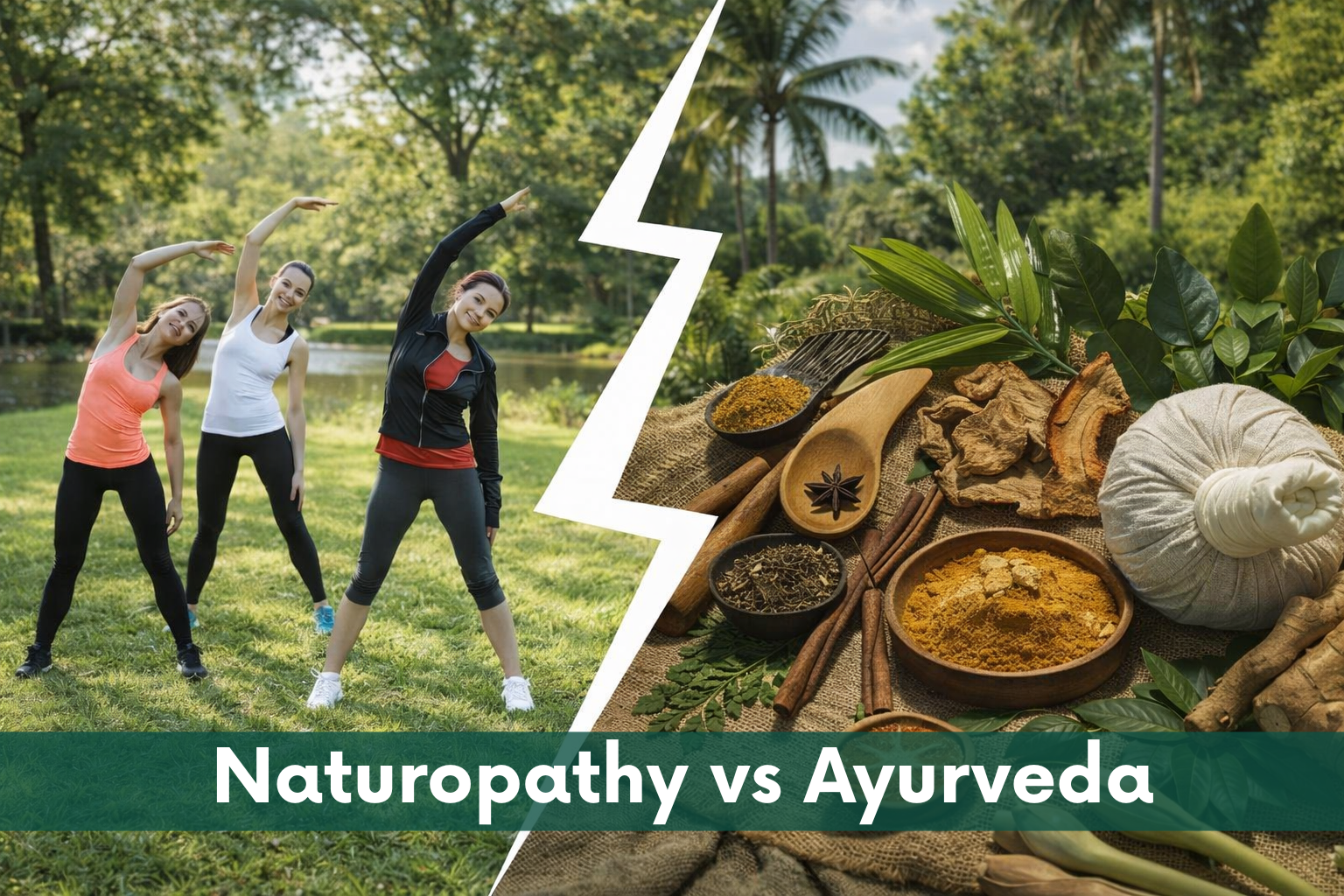
Naturopathy Vs. Ayurveda: Which One is Right for You?
When it comes to natural healing in India, two names come up again and again — Ayurveda and Naturopathy. Both systems promise holistic wellness without the side effects of modern medicine, and both have deep roots in Indian healthcare traditions. But if you’re confused about naturopathy vs ayurveda and unsure which one suits your health needs, you’re not alone. Thousands of people across India search for clarity on this topic every month, and the truth is, while these two systems share a common philosophy of natural healing, they differ significantly in their approach, treatment methods, and origins.
In this article, we’ll break down everything you need to know about Ayurveda and Naturopathy — their history, core principles, treatment styles, benefits, and how to decide which one is right for you.
What is Ayurveda?
Ayurveda is one of the world’s oldest medical systems, originating in India more than 3,000 years ago. The word “Ayurveda” comes from Sanskrit — “Ayu” meaning life and “Veda” meaning knowledge or science. Together, it translates to “the science of life.”
Ayurveda is built on the belief that every individual is made up of three doshas — Vata, Pitta, and Kapha. These doshas represent different combinations of the five elements (earth, water, fire, air, and space) present in the body. According to Ayurvedic philosophy, health is achieved when these three doshas are in balance, and disease occurs when they become disturbed.
Ayurvedic treatment is highly personalized. A practitioner assesses a person’s unique dosha type, called Prakriti, and designs a treatment plan accordingly. This can include herbal medicines, dietary changes, detox therapies like Panchakarma, yoga, meditation, and lifestyle adjustments.
Key Features of Ayurveda
- Uses herbal formulations, oils, and natural medicines
- Focuses on dosha balancing (Vata, Pitta, Kapha)
- Includes therapies like Panchakarma, Abhyanga (oil massage), and Shirodhara
- Emphasizes diet, daily routine (Dinacharya), and seasonal routine (Ritucharya)
- Recognized officially in India under AYUSH (Ayurveda, Yoga, Unani, Siddha, Homeopathy)
What is Naturopathy?
Naturopathy, on the other hand, is a healing system that relies purely on the body’s own ability to heal itself using natural elements — air, water, sunlight, earth, and fasting. Unlike Ayurveda, Naturopathy does not use herbal medicines or internal remedies. Instead, it believes that most diseases arise due to the accumulation of toxins in the body, and the goal of treatment is to eliminate these toxins through natural processes.
Naturopathy as a formal practice gained popularity in the late 19th century in Europe and the United States, though its principles align closely with ancient Indian and Greek traditions of natural healing. In India, Naturopathy has been widely adopted and is also recognized under the AYUSH ministry.
Naturopathy treatments typically include hydrotherapy (water therapy), mud therapy, fasting, sun-bathing, controlled diet, massage, and acupressure. The core idea is simple: give the body the right natural conditions, and it will heal on its own.
Key Features of Naturopathy
- Relies on natural elements like water, mud, air, and sunlight
- Focuses on detoxification and eliminating toxins
- Encourages fasting and specific diet plans
- Uses therapies like hydrotherapy, mud packs, and acupressure
- Does not typically use herbal or internal medicines
Naturopathy vs Ayurveda: Core Differences
Now that we understand both systems individually, let’s compare naturopathy vs ayurveda across the factors that matter most when choosing a treatment path.
1. Origin and Philosophy
Ayurveda originated in ancient India and is deeply connected to Vedic philosophy, focusing on balancing the mind, body, and spirit through doshas. Naturopathy, while practiced in India today, has more global origins and centers around the idea that nature itself is the ultimate healer.
2. Treatment Approach
Ayurveda uses a combination of herbal medicines, oils, therapies, and lifestyle changes tailored to an individual’s dosha type. Naturopathy avoids medicines altogether and instead uses natural elements like water, sunlight, and diet to trigger the body’s self-healing mechanism.
3. Use of Medicine
This is perhaps the biggest difference between the two. Ayurveda actively uses herbal formulations, churnas, oils, and Rasayanas (rejuvenating tonics) as part of treatment. Naturopathy generally avoids any form of medicine, relying instead on fasting, diet correction, and physical therapies.
4. Diagnosis Method
Ayurvedic practitioners diagnose based on your dosha type (Prakriti), pulse examination (Nadi Pariksha), and detailed lifestyle assessment. Naturopaths typically diagnose based on toxin levels in the body, dietary habits, and lifestyle patterns.
5. Duration of Treatment
Ayurvedic treatments, especially for chronic conditions, can take weeks to months since they work at a deeper, constitutional level. Naturopathy treatments can sometimes show faster results for issues related to digestion, skin, and detoxification, though it also depends on the severity of the condition.
6. Suitability for Conditions
Ayurveda is often preferred for chronic diseases, hormonal imbalances, joint issues, and conditions requiring long-term correction. Naturopathy is commonly chosen for lifestyle diseases, obesity, digestive issues, stress, and detoxification needs.
Naturopathy vs Ayurveda: Comparison Table
| Factor | Ayurveda | Naturopathy |
|---|---|---|
| Origin | Ancient India (Vedic period) | Global, popularized in the 19th century |
| Core Belief | Balance of the three doshas (Vata, Pitta, and Kapha) | Self-healing through natural elements and healthy lifestyle |
| Medicine Use | Herbal medicines, medicated oils, and natural tonics | No internal medicines; focuses on natural healing methods |
| Main Therapies | Panchakarma, Abhyanga, Shirodhara, herbal treatments | Hydrotherapy, mud therapy, fasting, nutrition, and exercise |
| Diagnosis | Pulse examination, dosha analysis, and health assessment | Toxin assessment, lifestyle evaluation, and physical examination |
| Best For | Chronic illnesses, hormonal balance, stress, and overall wellness | Detoxification, lifestyle diseases, digestive health, and prevention |
Benefits of Ayurveda
Ayurveda offers a wide range of benefits, particularly for people dealing with long-term or chronic health concerns. Since treatments are personalized according to body type, they tend to address the root cause rather than just symptoms.
- Helps manage chronic conditions like arthritis, diabetes, and digestive disorders
- Improves skin and hair health through natural oils and herbs
- Supports mental clarity and stress reduction through yoga and meditation
- Strengthens immunity with Rasayana therapies
- Promotes overall longevity and balanced living
Benefits of Naturopathy
Naturopathy is especially effective for people looking for a medicine-free approach to healing, particularly for lifestyle-related issues.
- Effective for detoxification and cleansing the body
- Helps in weight management and improving metabolism
- Beneficial for stress relief and improving sleep quality
- Supports skin health through mud therapy and natural treatments
- Encourages sustainable, healthy lifestyle habits
Naturopathy vs. Ayurveda: Which One Should You Choose?
Choosing between Ayurveda and Naturopathy depends largely on your health goals, the nature of your condition, and your personal comfort with different treatment styles.
If you’re dealing with a chronic health issue, hormonal imbalance, joint pain, or a condition that requires long-term correction at a deeper level, Ayurveda may be a better fit due to its use of targeted herbal medicines and personalized dosha-based treatment.
If you’re looking to detox your body, manage weight, improve digestion, or simply reset your lifestyle without using any medicines, naturopathy could be the ideal choice.
Many wellness experts in India also suggest combining elements of both systems — for instance, following Ayurvedic dietary principles while incorporating naturopathic practices like fasting or hydrotherapy for detoxification. Since both systems are officially recognized under India’s AYUSH ministry, it’s advisable to consult a certified Ayurvedic doctor (BAMS) or a registered naturopathy practitioner (BNYS) before starting any treatment, especially if you have an existing medical condition.
Things to Keep in Mind Before Starting Treatment
- Always consult a certified and registered practitioner
- Share your complete medical history before starting any therapy
- Avoid self-medicating with Ayurvedic herbs without proper guidance
- Naturopathy fasting protocols should be followed under supervision, especially for people with diabetes or low blood pressure
- Combine natural treatments with regular medical check-ups for chronic or serious conditions
How Ayurveda Treatment Actually Works
To understand why Ayurveda takes a longer, more layered approach, it helps to know how a typical treatment journey unfolds. When you visit an Ayurvedic practitioner, the first step is usually Prakriti analysis — identifying your unique constitution based on Vata, Pitta, and Kapha. This isn’t a generic questionnaire; it involves observing your skin type, digestion pattern, sleep habits, emotional tendencies, and even your pulse.
Once your dosha imbalance is identified, the practitioner may recommend a combination of internal herbal formulations (like Triphala or Ashwagandha), external therapies (such as Abhyanga or Shirodhara), and dietary guidelines specific to your body type. For more serious imbalances, Panchakarma — a five-step detoxification process involving therapies like Vamana, Virechana, and Basti — may be recommended under close medical supervision.
This is why Ayurvedic treatment often requires patience. It isn’t designed for instant symptom relief but for correcting the underlying imbalance that’s causing the problem in the first place.
How Naturopathy Treatment Actually Works
Naturopathy sessions usually begin with an assessment of your diet, lifestyle, and toxin load rather than a dosha-based analysis. A naturopath may ask about your eating habits, water intake, sleep cycle, and stress levels to identify where imbalance is coming from.
Based on this, treatment plans often include therapies like hydrotherapy (using hot and cold water applications to stimulate circulation), mud therapy (applying natural mud packs to draw out toxins and cool the body), and supervised fasting to give the digestive system rest and allow the body to focus on healing. Sun-bathing, steam baths, and acupressure are also commonly used to support circulation and energy flow.
Because naturopathy avoids medication entirely, results can sometimes be felt relatively quickly for issues like bloating, fatigue, or mild skin conditions—though for chronic or deep-rooted health problems, it usually needs to be followed consistently over time, just like Ayurveda.
Final Thoughts
Both Ayurveda and Naturopathy offer natural, holistic approaches to improving health and well-being. While Ayurveda focuses on balancing the body’s doshas through herbal therapies and personalized treatments, Naturopathy promotes the body’s natural healing ability using lifestyle changes and natural therapies. Understanding the differences between Naturopathy vs Ayurveda can help you choose the right path for your health goals.
At Amantrhit, our experienced wellness experts provide personalized Ayurvedic and holistic healing programs designed to restore balance and vitality. Contact Amantrhit today to book your consultation and begin your journey toward better health, natural healing, and long-lasting wellness.
Frequently Asked Questions About Naturopathy vs. Ayurveda
1.Is Ayurveda better than Naturopathy, or vice versa?
Neither system is universally "better" — it depends on your health condition and goals. Ayurveda works well for chronic and constitutional imbalances, while Naturopathy is often more suited to detox and lifestyle-related concerns.
2.Can I follow Ayurveda and Naturopathy together?
Yes, many practitioners in India recommend combining the two. For example, you can follow an Ayurvedic diet plan according to your dosha while incorporating naturopathic practices like intermittent fasting or hydrotherapy for detoxification.
3.Are Ayurveda and Naturopathy safe for everyone?
Generally, both are considered safe when practiced under a certified professional. However, pregnant women, people with chronic illnesses like diabetes or heart conditions, and those on regular medication should always consult a doctor before starting any new therapy.
4. Which is more affordable — Ayurveda or Naturopathy?
Naturopathy treatments, especially basic ones like hydrotherapy and mud therapy, are often more affordable since they don't involve purchasing herbal medicines. Ayurvedic treatment costs can vary depending on the herbs, oils, and therapies prescribed.
5. Do I need a doctor's prescription for these treatments?
While over-the-counter Ayurvedic products are easily available, it's best to consult a BAMS-qualified Ayurvedic doctor or a BNYS-qualified naturopath for a proper diagnosis and personalized treatment plan, especially for existing health conditions.
6. How long does it take to see results?
This varies from person to person and depends on the condition being treated. Naturopathy may show faster relief for minor digestive or skin issues, while Ayurveda, being more constitutional in approach, often takes a few weeks to a few months for chronic conditions to show significant improvement.

Amantrhit Wellness Retreat Center
Amantrhit is an ISO and Yoga Alliance certified wellness retreat center in Rishikesh, offering Ayurveda, yoga, meditation, Panchakarma, weight loss retreats & other holistic healing programs. Amantrhit is a 5-star rated retreat center with several years of wellness experience, 100+ happy Guests, and 1000+ trusted wellness seekers worldwide. Whether you want to relax, heal, detox, or reconnect with yourself, Amantrhit provides a peaceful and supportive space to begin your wellness journey. Our experienced doctors and certified therapists guide guests. we also serve organic sattvik meals and serene surroundings restore balance to body, mind, and spirit. Come as you are, and leave feeling lighter, clearer, and deeply restored.


Leave a Reply